
Ayurvedic Treatment for Irritable Bowel Syndrome (IBS)
Irritable Bowel Syndrome (IBS) is a digestive condition that causes repeated episodes of abdominal pain, gas, bloating, constipation, or loose motions. Many people find that symptoms come and go based on stress and food habits. In Ayurveda, IBS is linked to imbalance of Vata and Pitta, weak digestive fire, and irritation of the gut lining. With proper Ayurvedic lifestyle and diet correction, many people experience long-term relief and stable digestion.
Causes of IBS
- Stress and emotional imbalance: IBS is strongly influenced by the brain–gut connection. Worry, anxiety, overthinking, or emotional stress directly disturb the intestines and trigger episodes.
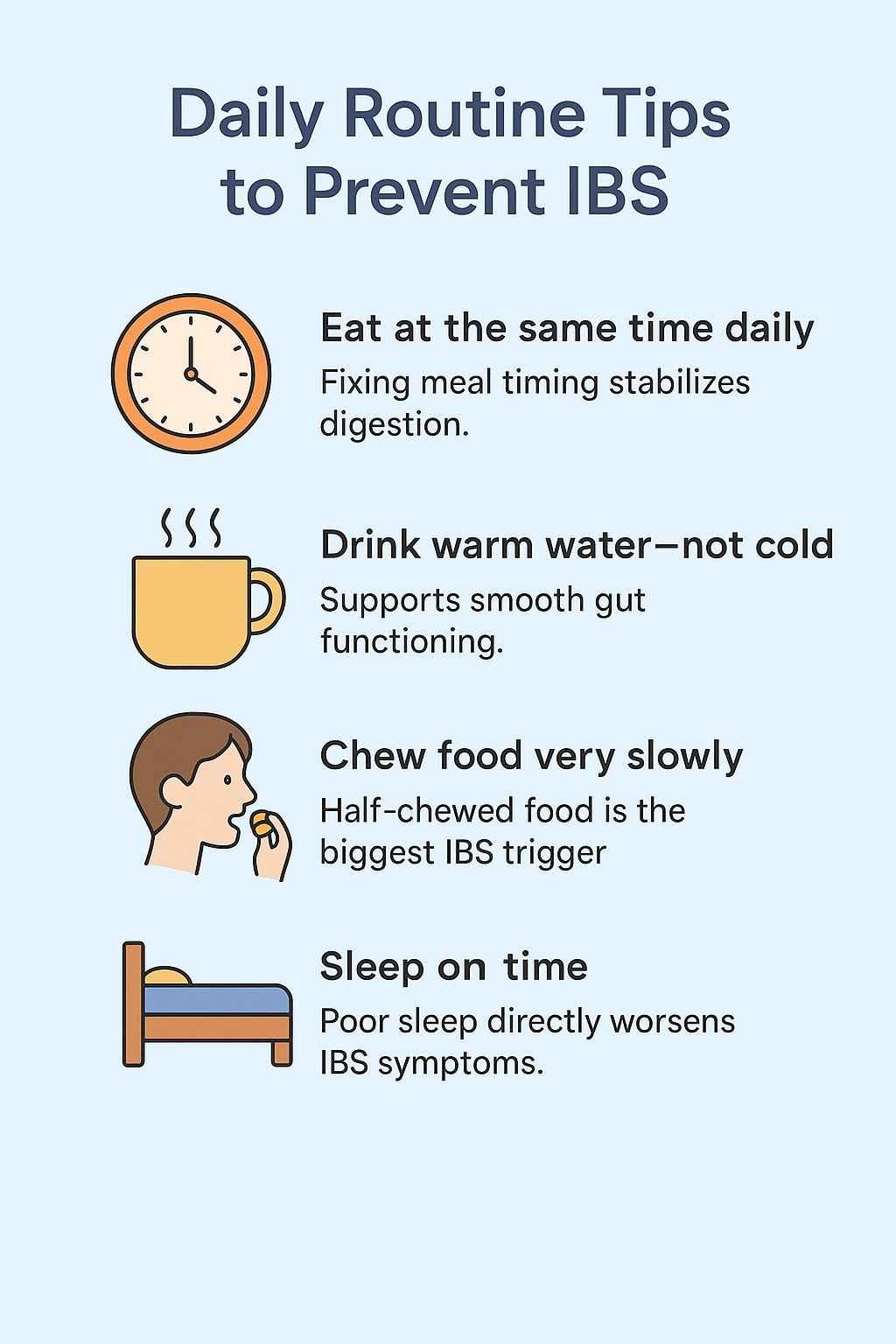
- Irregular eating patterns: Eating at different times, skipping meals, eating late at night, or eating before the previous meal is digested weakens the digestive fire and irritates the intestines.
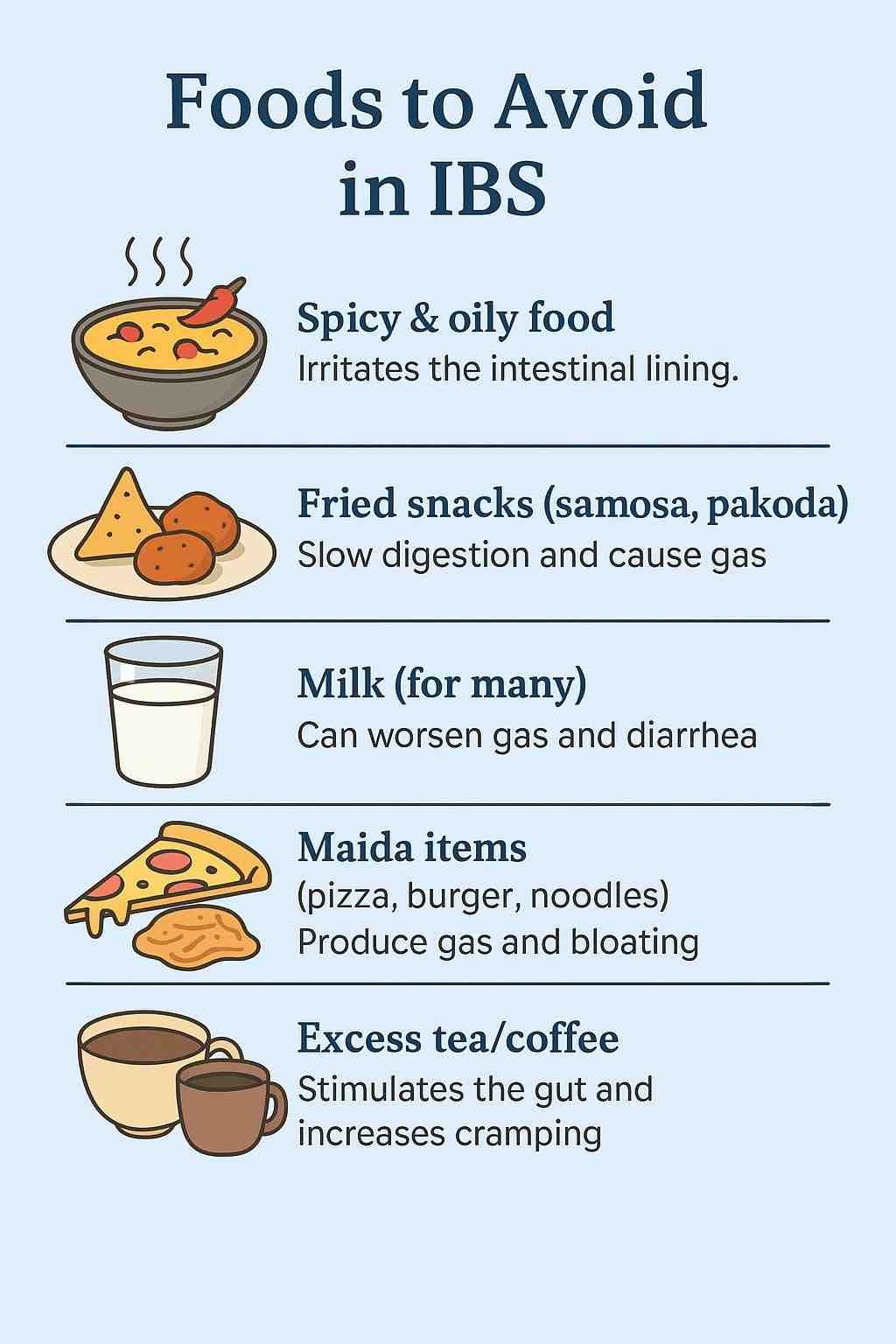
- Food sensitivities: Certain foods—like spicy items, dairy, fried foods, caffeine, and processed snacks—can trigger IBS symptoms in sensitive individuals.
- Weak digestion (low Agni): When the digestive fire becomes weak, food does not break down properly. This leads to gas, bloating, and formation of toxins that disturb the gut lining.
- Antibiotic overuse or infections: Previous gut infections or frequent antibiotic use can disturb healthy gut bacteria, making the intestines more sensitive and reactive.
- Stress and emotional imbalance: IBS is strongly influenced by the brain–gut connection. Worry, anxiety, overthinking, or emotional stress directly disturb the intestines and trigger episodes.


Symptoms of IBS
- Abdominal pain and discomfort: Cramping pain that comes and goes is one of the most common signs. It usually improves after passing stool or gas.
- Irregular bowel habits: Some people experience constipation, others loose stools, and many have alternating episodes of both—making daily routine unpredictable.
- Gas and bloating: The stomach may feel swollen, tight, or full, especially after eating certain foods or during stressful days.
- Mucus in stool: IBS often causes the intestines to produce mucus, which may appear in bowel movements.
- Fatigue, anxiety, and poor appetite: Because IBS affects digestion and the gut–mind connection, many people feel tired, lose appetite, or experience anxiety during flare-ups.
- Abdominal pain and discomfort: Cramping pain that comes and goes is one of the most common signs. It usually improves after passing stool or gas.
Ayurvedic View for IBS
IBS = Grahani in Ayurveda
It happens due to imbalance of Vata + Pitta and a weak digestive fire (Mandagni), which makes digestion irregular.Intestines lose rhythm
Because digestion keeps changing (sometimes strong, sometimes weak), the gut becomes sensitive, leading to gas, pain, loose stools, or constipation.Focus on healing digestion
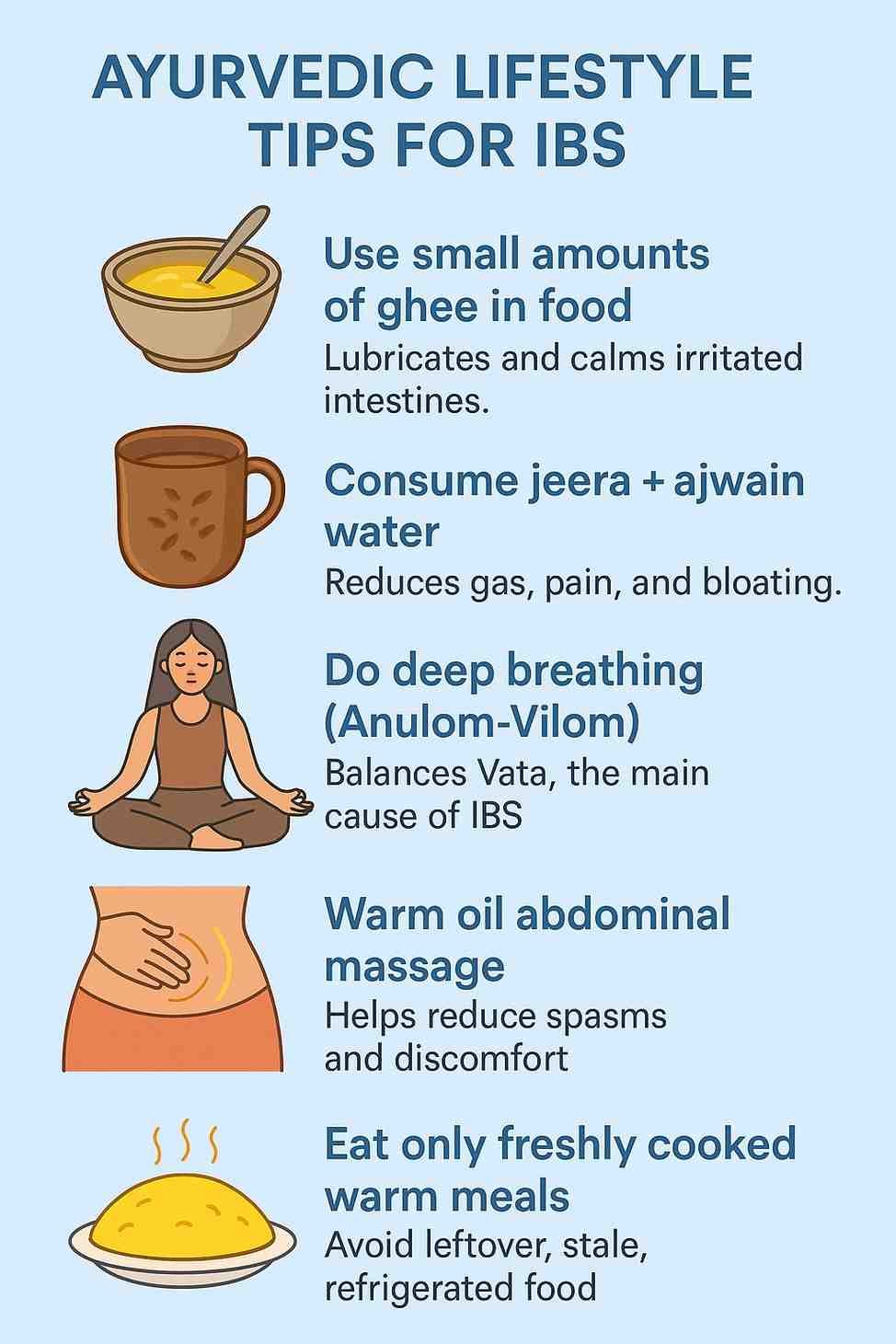
Ayurveda works on strengthening Agni, calming the gut lining, improving bowel movements, and relaxing the mind.Eat warm, fresh, simple foods
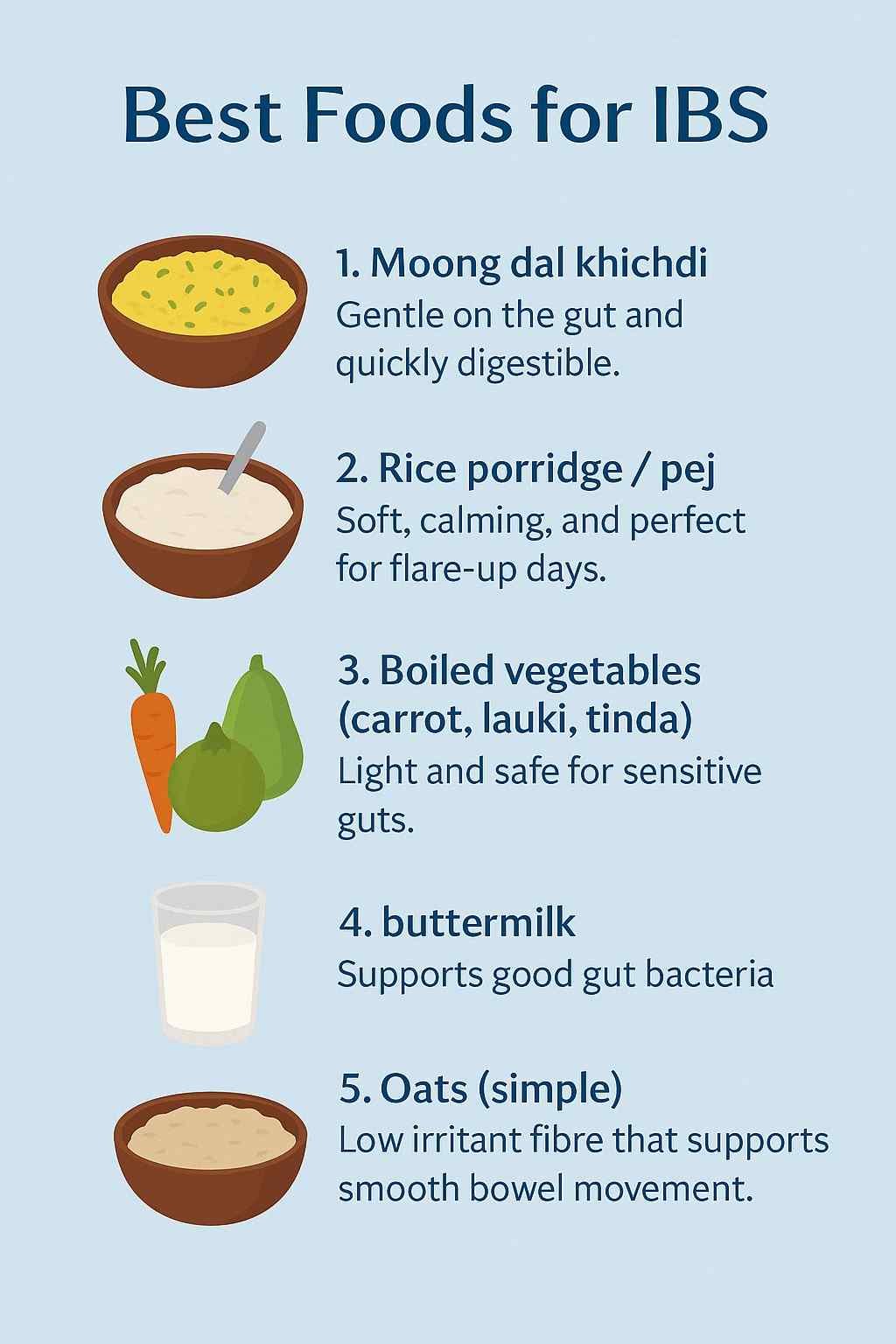
Foods like khichdi, rice, buttermilk, little ghee, boiled veggies help soothe the intestines and reduce flare-ups.Routine + stress control = major relief
Proper sleep, deep breathing, meditation, and a fixed daily schedule reduce triggers and help bring long-term improvement.
Why IBS Happens and How to Fix It Naturally
Get In Touch
Take the first step toward better health today. Connect with Vaidya Prateek Agrawal (Aligarh Wale Vaidya Ji), a highly experienced Ayurvedic physician with 16 years of clinical expertise. Over the years, he has successfully treated thousands of patients, helping them restore balance and achieve long term wellness through authentic Ayurvedic care.
Contact us for personalized Ayurvedic consultation, treatment guidance, or any questions you may have. Call or email us—we are here to help you regain balance and wellness.
Online Consultation
- +91-790 067 2000
- Prateek@vaidyajialigarh.com