
Ayurvedic Guide to Curing Anaemia (Khoon Ki Kami) Naturally
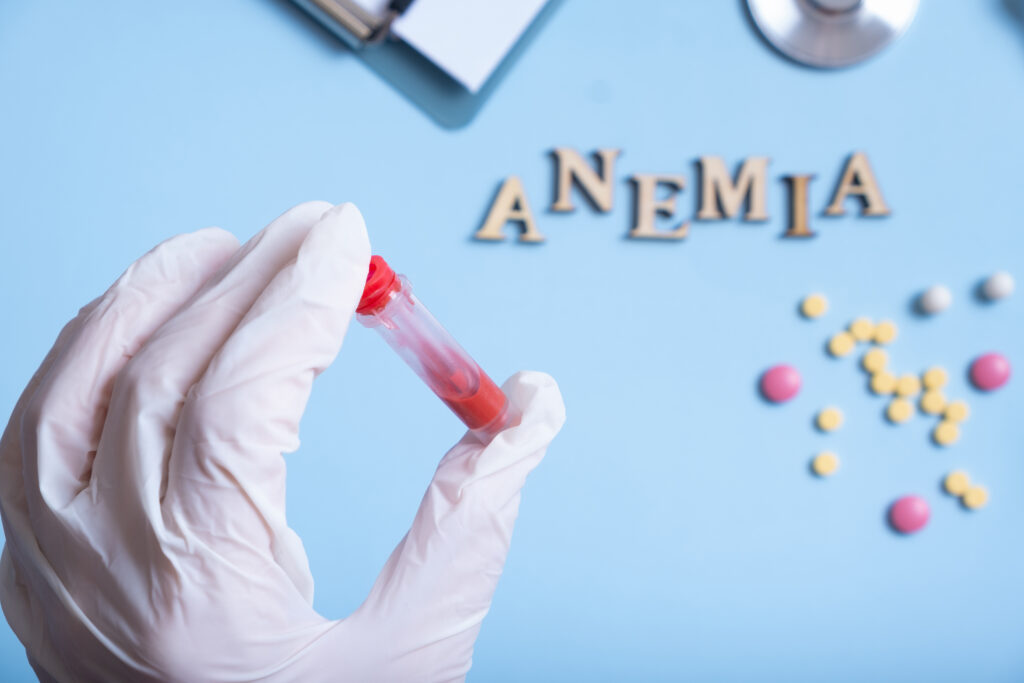
Feeling constantly exhausted, struggling to catch your breath after a short walk, or noticing a pale tint to your skin? These are classic signs of anaemia, commonly known in India as khoon ki kami. If you are searching for ayurvedic treatment for anaemia, it is important to first understand the condition. Anaemia occurs when your body lacks enough healthy red blood cells or haemoglobin, the crucial protein that carries life-giving oxygen to every cell in your body.
In modern times, the standard approach often involves prescribing heavy iron supplements. However, many people find that these pills cause constipation, acidity, or simply do not absorb well. Ayurveda offers a much more holistic, root-cause approach. Known as Pandu Roga in ancient texts, Ayurveda focuses not just on increasing iron intake, but on ensuring your body actually has the power to digest and absorb it.
In this comprehensive blog, we will dive deep into the Ayurvedic perspective on khoon ki kami, exploring the causes, symptoms, and the best natural lifestyle and dietary remedies to bring back your natural energy and glow.
What is Anaemia? The Ayurvedic Perspective
In Ayurveda, anaemia is identified as Pandu Roga, which translates to a pale or yellowish-white complexion. This condition is primarily rooted in an aggravation of the Pitta dosha (the fire and water element in the body), which governs metabolism and digestion.
When Pitta is imbalanced by poor diet or stress, it weakens the Jatharagni (digestive fire). A weak digestive fire means the food you eat is not properly converted into Rasa (the first tissue, nutrient plasma). If Rasa is of poor quality, the next tissue in the sequence, Rakta (blood), cannot be formed properly. This leads to a severe drop in healthy red blood cells.
By understanding that anaemia is a digestion and absorption issue rather than just a missing mineral issue, you can stop wasting money on supplements your body cannot process. Healing the gut naturally leads to a permanent rise in haemoglobin levels, better energy, and vibrant health.
Causes of Khoon Ki Kami
To treat the problem, you must first identify what is causing it. Ayurveda highlights several key physical and lifestyle triggers:
- Weak Digestive Fire (Mandagni): Eating heavy, incompatible foods suppresses your digestive fire. Even if you eat spinach and apples daily, a weak gut will simply pass these nutrients out as waste instead of turning them into blood.
- Excessive Pitta-Aggravating Foods: Consuming too much highly spicy, sour, salty, or deep-fried food overworks the liver, the primary organ responsible for blood purification and formation.
- Physical Blood Loss: Conditions like heavy menstrual cycles in women, bleeding haemorrhoids (piles), or internal ulcers physically drain the body’s haemoglobin faster than it can be replaced.
- Mental Stress and Grief (Chinta): Ayurveda deeply connects the mind and body. Chronic worry, grief, or anger aggravates the doshas, shrinks the bodily channels (Srotas), and halts the proper nourishment of blood tissues.
- Intestinal Worms (Krimi): Very common in children and young adults, parasitic worms in the gut feed on the nutrients intended for your body, leading to severe khoon ki kami.
Symptoms You Shouldn’t Ignore
Anaemia creeps up slowly. You might just think you are overworked, but your body sends clear signals:
- Severe Fatigue: The most prominent symptom. You wake up feeling exhausted because your brain and muscles are literally starved of oxygen.
- Pale and Dull Skin (Panduta): The skin loses its healthy pink flush, looking unusually white or yellow. The inner eyelids and nail beds also turn very pale.
- Dizziness and Vertigo: Feeling lightheaded, dizzy, or seeing dark spots when you stand up quickly from a seated position.
- Breathlessness: Getting out of breath easily during normal activities, like climbing a single flight of stairs or walking short distances.
- Hair Fall and Brittle Nails: Blood nourishes the hair follicles and nail beds. A lack of Rakta Dhatu leads to severe, unexplained hair loss and nails that crack or peel easily.
Ayurvedic Lifestyle Tips to Boost Haemoglobin
Ayurveda emphasises Vihara (lifestyle) just as much as diet. Implementing these daily practices helps repair the body’s blood-building mechanics:
Drink Water from a Copper Vessel
Keep pure water in a clean copper (tamba) jug or glass overnight. Drink it first thing in the morning on an empty stomach. Consume about 1 to 2 glasses of this copper-infused water daily. Copper is a vital trace mineral that stimulates the liver and specifically aids the gut in absorbing iron from your food. It also has natural antibacterial properties.
Practice Daily Abhyanga (Self-Massage)
Massaging your body with warm, nourishing oils before taking a shower. Use warm sesame oil (til tel) in the winter or coconut oil in the summer. Use long strokes on your arms and legs for 10 minutes. Massage improves overall blood circulation, moves stagnant toxins out of the tissues, and deeply calms the nervous system, which helps reduce the stress that contributes to anaemia.
Gentle Yoga and Pranayama
Engaging in mild stretching and focused breathing exercises. Practice 10 minutes of Anulom-Vilom (Alternate Nostril Breathing) and gentle Surya Namaskar (Sun Salutations) at sunrise. Anulom-Vilom significantly increases oxygen intake, which binds to the available haemoglobin, reducing the feeling of breathlessness and fatigue without exhausting your physical energy reserves.
Best Ayurvedic Diet for Anaemia
What you eat is crucial, but how you eat matters just as much.
Foods to Add to Your Diet (Iron Boosters)
- Jaggery and Roasted Gram: A classic Indian remedy. Dark jaggery is packed with natural plant-based iron, while the roasted chana provides protein that acts as a carrier to help the body absorb the iron efficiently. Eat a handful as a mid-morning snack.
- Amla (Indian Gooseberry): Iron cannot be absorbed without Vitamin C. Amla is the highest natural source of Vitamin C. Taking fresh Amla juice or Chyawanprash ensures that the iron you consume is actually utilized by the body.
- Black Raisins: Soak 6-8 black raisins in water overnight and eat them on an empty stomach in the morning. They are rich in iron, support liver health, and naturally cure the constipation that often accompanies anaemia.
- Pomegranate and Beetroot: These red fruits and vegetables have a direct affinity for the blood (Prabhava). A daily glass of fresh beetroot and carrot juice with a dash of lemon is a powerful blood builder.
Foods to Strictly Avoid
- Tea and Coffee with Meals: Tea and coffee contain tannins and polyphenols that bind to iron in your digestive tract, preventing your body from absorbing it. Always maintain a gap of at least 1-2 hours between your meals and your tea.
- Sour and Fermented Foods: Excessively sour items like heavy pickles, synthetic vinegars, and stale fermented foods aggravate the Pitta dosha and disturb the natural pH of the blood.
- Refined Junk Food: White flour has zero nutritional value and creates sticky Ama (toxins) in the gut, completely blocking the absorption channels (Srotas).
Curing Anaemia in Aligarh
While the home remedies and dietary adjustments mentioned above are incredibly effective for mild khoon ki kami, chronic or severe cases of anaemia require professional Ayurvedic intervention. If your haemoglobin levels remain persistently low, it is time to seek expert guidance.
Finding a trusted Ayurvedic clinic in Aligarh is the first step towards a permanent cure. When seeking Anaemia treatment in Aligarh, an experienced practitioner will evaluate your pulse (Nadi Pariksha) to determine the exact state of your digestive fire and doshas.
Rather than standard supplements, the best ayurvedic doctor in Aligarh will prescribe classical, highly absorbable formulations. These might include Punarnava Mandur, Lohasava, or Navayas Lauha, which are specifically designed to heal the liver while building blood. Whether you are searching for a general ayurvedic doctor in Aligarh or a specific Anaemia problem doctor in Aligarh, you need a personalised approach that fixes the root cause.
With the right Khoon ki kami ka ilaj aligarh, combining diet, lifestyle, and authentic ayurvedic medicine in Aligarh, you can safely restore your health. Trusting in genuine Ayurvedic treatment in Aligarh ensures that you don’t just increase a number on a blood test, but truly regain your natural vitality, strength, and life force.
If you are looking for Ayurvedic treatment for Anaemia in Aligarh, consult an experienced Vaidya for personalised herbal remedies.
Frequently Asked Questions (FAQs) About Ayurvedic Treatment for Anaemia | Khoon Ki Kami Ka Ilaj
1- Can Ayurveda cure severe khoon ki kami completely?
Yes, Ayurveda can effectively manage and reverse anaemia. By focusing on improving your Agni and liver function, Ayurveda ensures your body naturally produces and sustains healthy red blood cells, rather than relying on lifelong artificial supplements.
2- Are there any side effects of Ayurvedic iron medicines?
Authentic Ayurvedic iron preparations (like Lauha Bhasma) are purified and processed heavily with herbal juices. This makes them highly bioavailable and gentle on the stomach. Unlike allopathic iron pills, they do not typically cause constipation, dark stools, or acidity when prescribed by a qualified Vaidya.
3- Is it true that cooking in cast-iron pans helps?
Absolutely. Cooking your meals, especially curries and vegetables, in a traditional cast-iron kadhai naturally infuses a small, safe amount of dietary iron into your food, which is easily absorbed by the body.
4- Why do I feel dizzy when my haemoglobin is low?
Haemoglobin is responsible for carrying oxygen to your brain. When your haemoglobin levels drop, your brain receives less oxygen, especially when you change positions quickly, which results in dizziness, lightheadedness, or vertigo.
5- How long does Ayurvedic treatment for anaemia take to show results?
With strict adherence to the prescribed diet, lifestyle changes, and herbal medicines, most patients start feeling a significant increase in their energy levels within 2 to 3 weeks. However, stabilising haemoglobin levels fully usually takes a consistent routine of 2 to 3 months.