
Reviewed by: Dr. Vaidya Prateek Agrawal, BAMS Ayurvedic Specialist
Experience: 15+ Years in Women’s Hormonal Health & Ayurvedic Care

Polycystic Ovarian Disease (PCOD) is becoming increasingly common among young women due to changing lifestyle habits, stress, poor dietary patterns, and hormonal imbalance. Many women silently struggle with irregular periods, sudden weight gain, acne, facial hair growth, mood swings, and difficulty maintaining a healthy metabolism.
While conventional treatments may help temporarily regulate menstrual cycles, many women also seek natural and holistic support for long-term hormonal wellness.
Ayurveda focuses on understanding the root causes that may contribute to hormonal imbalance. Instead of only managing symptoms, Ayurvedic treatment aims to support digestion, metabolism, reproductive health, and overall lifestyle balance.
If you are searching for Ayurvedic treatment for PCOD in Aligarh, consulting an experienced Ayurvedic doctor can help you receive personalized guidance according to your body type and symptoms.
What is Ayurvedic Treatment for PCOD?
Ayurvedic treatment for PCOD focuses on supporting hormonal balance naturally through personalized herbs, dietary guidance, lifestyle correction, digestion support, stress management, and wellness practices. The goal is to improve overall reproductive and metabolic health.
What is PCOD?
PCOD (Polycystic Ovarian Disease) is a hormonal condition in which the ovaries may produce immature eggs that can gradually form small cysts. This condition may affect menstrual cycles, metabolism, skin health, fertility, and overall well-being.
Women with PCOD may experience symptoms that vary from mild to severe depending on hormonal balance and lifestyle factors.
Common Symptoms of PCOD
- Irregular periods
Menstrual cycles may become delayed, infrequent, or unpredictable. - Weight gain
Many women experience difficulty managing body weight, especially around the abdomen. - Acne and oily skin
Hormonal fluctuations may trigger breakouts and skin inflammation. - Excess facial hair growth
Increased androgen levels can contribute to unwanted hair on the face or chin. - Hair thinning or hair fall
Hormonal imbalance may weaken hair roots and affect scalp health. - Fatigue and low energy
Metabolic imbalance and poor sleep can reduce energy levels. - Difficulty conceiving
Irregular ovulation may affect fertility in some women.
Early lifestyle management and proper medical consultation may help improve symptoms effectively.
How Ayurveda Understands PCOD
In Ayurveda, symptoms associated with PCOD are often linked to Kapha imbalance, disturbed metabolism, and accumulation of Ama (toxins caused by weak digestion).
According to Ayurvedic principles, unhealthy eating habits, stress, lack of physical activity, and improper sleep may weaken digestive fire, also known as Agni. Poor digestion can affect metabolism and hormonal balance over time.
Ayurvedic treatment focuses on improving overall body balance through:
- Supporting healthy digestion
- Improving metabolic activity
- Managing weight naturally
- Supporting menstrual health
- Reducing stress levels
- Encouraging healthy daily routines
Ayurveda views women’s hormonal health as deeply connected with digestion, mental well-being, nutrition, and lifestyle patterns.
Common Causes of PCOD
Several lifestyle and metabolic factors may contribute to PCOD development.
Major Causes Include
- Insulin resistance
High insulin levels may disturb hormone production and contribute to weight gain. - Hormonal imbalance
Excess androgen hormones may affect ovulation and menstrual cycles. - Stress and anxiety
Chronic stress can affect hormonal regulation and sleep quality. - Poor eating habits
Excess processed foods, sugar, and unhealthy fats may negatively impact metabolism. - Lack of exercise
Sedentary lifestyles may worsen metabolic imbalance. - Genetic factors
Family history may increase the likelihood of developing PCOD. - Sleep disturbances
Poor sleep can affect insulin sensitivity and hormone regulation.
Understanding these contributing factors is important for long-term symptom management.
Ayurvedic Approach to Managing PCOD Symptoms
Ayurvedic treatment for PCOD is personalized according to body constitution, digestion, symptoms, stress levels, and hormonal patterns.
Instead of relying on a single medicine, Ayurveda usually combines herbs, dietary guidance, lifestyle correction, and wellness practices.
Supporting Digestion and Metabolism
Ayurveda places strong emphasis on healthy digestion because metabolism plays an important role in hormonal wellness.
An Ayurvedic practitioner may recommend:
- Warm and freshly prepared meals
- Herbal support for digestion
- Regular meal timings
- Light physical activity
- Avoiding heavy processed foods
Certain Ayurvedic herbs traditionally used in women’s wellness include:
- Kanchanar Guggulu
- Guduchi
- Shatavari
- Haridra (Turmeric)
These herbs are traditionally used in Ayurveda to support metabolism and reproductive wellness under professional guidance.
Supporting Hormonal Balance Naturally
Lifestyle balance is considered essential for maintaining hormonal health.
Ayurvedic wellness recommendations may include:
- Yoga and stretching exercises
- Meditation and breathing practices
- Stress management routines
- Proper sleep schedule
- Daily physical activity
Healthy daily habits may help support menstrual regularity and emotional well-being.
Weight Management and Insulin Support
Many women with PCOD struggle with insulin resistance and weight fluctuations.
Ayurvedic dietary practices may encourage:
- Limiting refined sugar intake
- Reducing processed foods
- Eating fiber-rich vegetables
- Choosing lighter grains like millet or barley
- Drinking warm water throughout the day
Maintaining a healthy weight may help support hormonal balance and metabolism.
PCOD Diet Plan According to Ayurveda
A balanced and nutritious diet is considered an important part of PCOD management.
Recommended Foods for PCOD
- Green leafy vegetables
Help support digestion and nutrition. - Bitter gourd and bottle gourd
Traditionally used for metabolic wellness. - Whole grains
Such as millet, barley, and oats. - Lentils and legumes
Provide plant-based protein and fiber. - Fresh fruits in moderation
Seasonal fruits may support overall nutrition. - Warm herbal drinks
Help maintain digestive balance.
Foods to Limit or Avoid
- Refined sugar
May contribute to insulin imbalance. - Packaged snacks and junk food
Often high in unhealthy fats and preservatives. - Sugary beverages
Can negatively affect metabolism. - Deep-fried foods
May worsen digestion and weight gain. - Excess bakery products
Refined flour may increase blood sugar fluctuations.
Eating freshly cooked meals at regular times may help improve overall digestive health.
Lifestyle Tips for Hormonal Health
Simple lifestyle changes can support long-term wellness and hormonal balance.
Helpful Daily Habits
- Exercise regularly for at least 30 minutes
- Maintain a consistent sleep schedule
- Practice stress management techniques
- Avoid skipping meals
- Stay hydrated throughout the day
- Reduce screen time before sleeping
- Include yoga or meditation in your routine
Consistency in daily habits often plays an important role in managing PCOD symptoms.
When Should You Consult a Doctor for PCOD?
You should seek medical guidance if you experience:
- Missing periods for several months
- Severe acne or sudden skin changes
- Rapid weight gain
- Excess facial hair growth
- Difficulty conceiving
- Pelvic discomfort
- Heavy or irregular bleeding
Early consultation may help prevent complications and support better long-term management.
Seeking Ayurvedic PCOD Treatment in Aligarh?
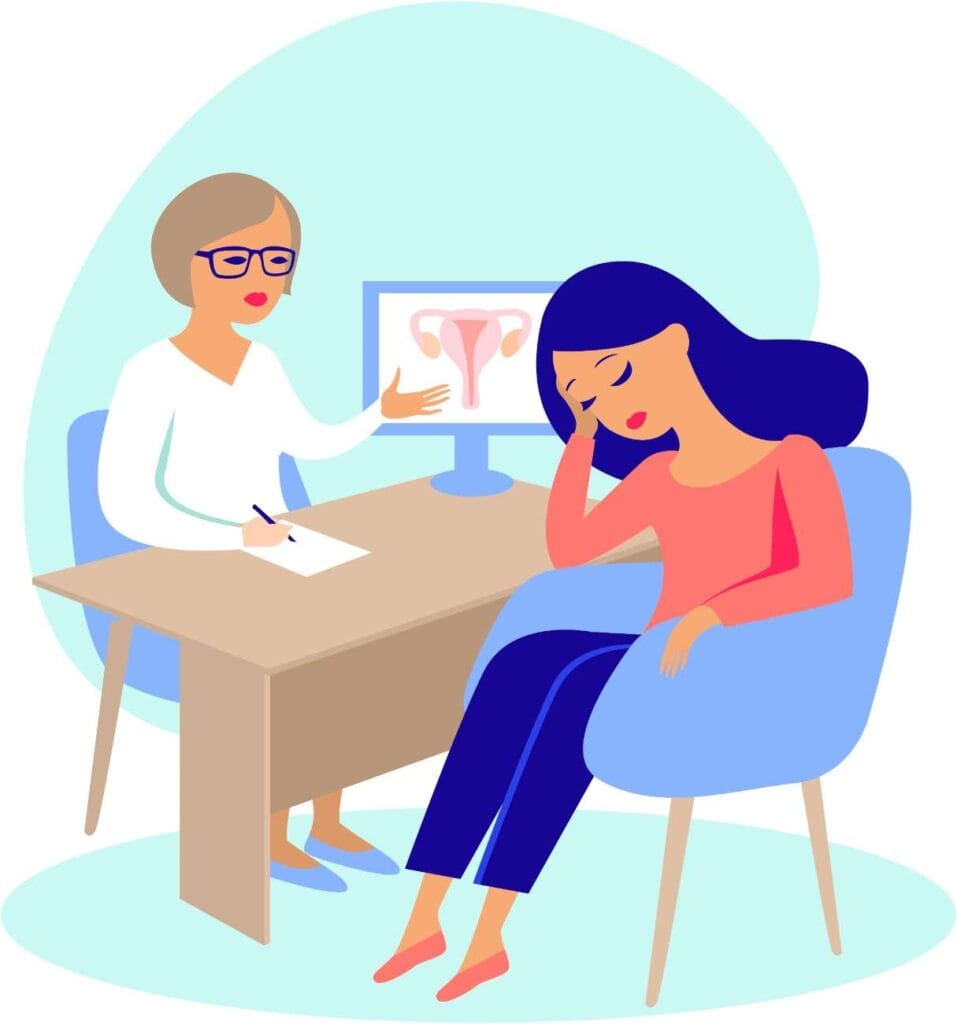
Managing PCOD requires a personalized and consistent approach. Consulting an experienced Ayurvedic doctor can help you better understand the factors affecting your hormonal and reproductive health.
At Vaidya Ji Aligarh, patients receive individualized Ayurvedic consultation based on:
- Body constitution
- Menstrual health
- Digestion and metabolism
- Lifestyle habits
- Stress levels
- Hormonal symptoms
An experienced Ayurvedic practitioner may recommend:
- Personalized herbal support
- Dietary modifications
- Lifestyle guidance
- Wellness therapies
- Stress management practices
If you are searching for:
- Ayurvedic treatment for PCOD in Aligarh
- Natural hormonal balance treatment
- PCOD specialist in Aligarh
- Irregular periods treatment in Aligarh
consult a qualified Ayurvedic doctor for personalized care.
Looking for Personalized PCOD Care in Aligarh?
If you are experiencing irregular periods, acne, hormonal imbalance, or weight management concerns, explore our personalized Ayurvedic treatment for PCOD in Aligarh for holistic wellness support and consultation.
FAQs
What is the difference between PCOD and PCOS?
PCOD generally involves hormonal imbalance and ovarian cyst formation, often influenced by lifestyle factors. PCOS is considered a more complex endocrine condition that may involve insulin resistance and elevated androgen levels.
Can Ayurveda help manage PCOD symptoms?
Ayurveda may help support hormonal balance, digestion, metabolism, and menstrual health through personalized herbs, dietary guidance, and lifestyle management.
Can weight loss improve PCOD symptoms?
Maintaining a healthy weight may help improve insulin sensitivity and support menstrual regularity in many women with PCOD.
Why does PCOD cause facial hair growth?
Hormonal imbalance and increased androgen levels may contribute to unwanted facial hair growth in some women.
How long does it take to notice improvements?
Results vary depending on lifestyle, hormonal condition, consistency with treatment, and overall health status.