
Ayurvedic Foods to Improve Digestion Naturally
In the fast-paced world of processed meals and eating on the go, our digestive systems often take the heaviest hit. According to the ancient wisdom of Ayurveda, health is not just about what you eat, but how well you digest it. This core concept is known as Agni (the digestive fire).
When Agni is strong, your body efficiently converts food into energy and vital nutrients. When it is weak, it creates Ama (toxins), leading to bloating, fatigue, and long-term health issues. At Aayushman Ayurved, this philosophy forms the foundation of natural healing and digestive balance.
Adopting an ayurvedic foods for digestion isn’t about restrictive eating; it’s about choosing life-giving foods that harmonize with your body’s natural rhythms. By incorporating the best ayurvedic diet for digestion, you can rekindle your internal fire and transform your overall well-being.
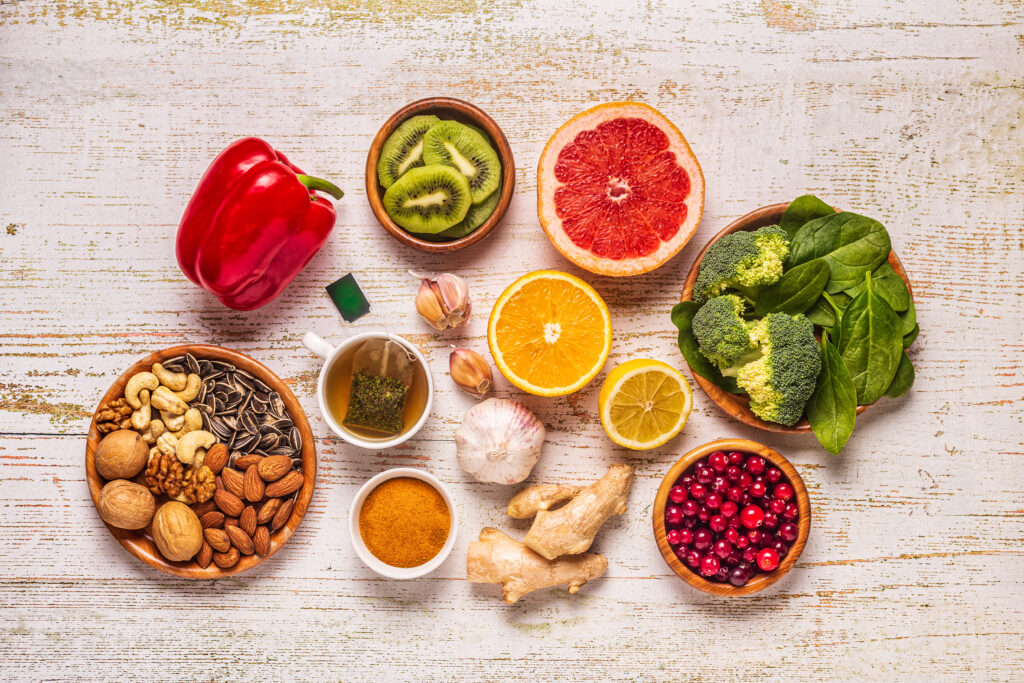
Foods to Improve Digestion in Ayurveda
Ayurveda categorizes food based on its qualities and its impact on the three Doshas, such as Vata, Pitta, and Kapha. To improve digestion, the goal is to consume Sattvic foods, which are fresh, light, and easy for the body to process.
Traditional Ayurvedic wisdom emphasizes the consumption of ‘Prana-rich’ foods, which have high life-force energy. A freshly cooked meal carries more Prana than something frozen or canned.
Furthermore, Ayurveda advocates for warm, cooked meals over cold or raw options. Warmth helps the stomach maintain its natural heat, ensuring that the best foods for digestion Ayurveda, can be broken down without exhausting the body’s energy reserves.
Best Ayurvedic Foods for Digestion
Identifying the ayurvedic foods for digestion is the first step toward a lighter, more energetic version of yourself. Here are the top power foods recommended by Ayurvedic doctors for centuries.
Ginger for Digestion
Known as the Universal Medicine (Vishwabheshaja), ginger is perhaps the most potent tool for Agni. It contains gingerols and shogaols that stimulate digestive enzymes. It clears the micro-channels of the body and reduces gas. Chew a small slice of fresh ginger with a drop of lemon juice and a pinch of rock salt 15 minutes before lunch to wake up your digestive enzymes.
Triphala for Gut Health
Triphala is a legendary Ayurvedic formula consisting of three fruits: Amalaki, Bibhitaki, and Haritaki. While often associated with detoxification, its primary role is to tone the digestive tract. It acts as a mild laxative without being habit-forming and helps in the regular movement of the bowels. Mix half a teaspoon of Triphala powder in warm water and drink it before bed to support overnight detoxification.
Fennel Seeds for Digestion
If you’ve ever entered an Indian restaurant and seen a bowl of colorful seeds at the exit, you’ve seen Fennel (Saunf). It is one of the few spices that is cooling yet stimulates digestion. Fennel relaxes the smooth muscles of the gastrointestinal tract, making it excellent for relieving cramps and bloating. Steep a teaspoon of fennel seeds in hot water for a soothing post-meal tea.
Buttermilk for Digestion
In Ayurveda, Takra (traditional buttermilk) is considered superior to yogurt for digestion. While yogurt can be heavy and channel-blocking, buttermilk is light and hydrating. It is a natural probiotic that introduces healthy bacteria to the gut while pacifying all three doshas. Whisk one part organic yogurt with three parts water, remove the froth (fat), and add a pinch of roasted cumin powder and rock salt. Drink this with or after lunch.
Papaya for Better Digestion
Papaya is highly regarded in Ayurveda for its Lekhana (scraping) property, which helps in clearing accumulated toxins from the intestinal walls. It contains the enzyme papain, which specifically helps in the breakdown of tough protein fibers. Eat ripe papaya during breakfast to ensure a smooth digestive start to your day.
Foods to Avoid for Weak Digestion
To keep your Agni burning bright, you must avoid extinguishing it with the wrong fuel. Ayurveda recommends limiting:
- Iced Drinks: Drinking ice-cold water during meals is like pouring water on a lit stove; it freezes the digestive enzymes.
- Processed Sugars: These create Ama, sticky toxins that clog the digestive channels.
- Leftovers: Food kept for more than 24 hours loses its Prana and becomes heavy (Tamasic) to digest.
- Incompatible Combinations (Viruddha Ahara): For example, mixing milk with sour fruits or fish. These combinations create a chemical clash in the stomach.
Ayurvedic Tips to Improve Digestion

Beyond just what you eat, how you eat is a pillar of the best ayurvedic foods for digestion strategy:
- Eat with the Sun: Your Agni is strongest when the sun is at its peak (12 PM – 2 PM). Make lunch your largest meal of the day.
- Practice Mita-Ahara: Eat until your stomach is 75% full. Leave 25% empty to allow the digestive juices and air to move freely.
- Power of Cumin, Coriander, and Fennel (CCF): A tea made from these three seeds is the gold standard for balancing gut health throughout the day.
- Post-Meal Walk: Take at least 100 steps (Shatapadi) after dinner to encourage the downward movement of energy (Apana Vayu).
When to Consult an Ayurvedic Doctor
While dietary changes are powerful, chronic issues may require professional intervention. You should consult an Ayurvedic doctor if:
- You experience persistent acidity or GERD that doesn’t resolve with basic tea.
- You have chronic constipation or irritable bowel movements.
- You feel heavy and lethargic even after eating light, healthy meals.
- You notice a thick white coating on your tongue every morning, a sign of high Ama.
An experienced vaidya can provide a personalized ayurvedic diet for digestion based on your unique Prakriti (body constitution).
If you are struggling with long-term digestive issues or seeking professional Ayurvedic guidance, book an Ayurvedic consultation today to receive a customized treatment plan.
FAQs
Can I eat raw salads in an Ayurvedic diet?
Ayurveda generally suggests cooked vegetables over raw salads, especially for those with weak digestion (Vata types), as cooking pre-digests the food, making it easier for the stomach to handle.
Is it okay to drink water during meals?
Small sips of warm water are fine and can help moisten the food. However, gulping large amounts of water, especially cold water, will dilute the digestive acids.
How long does it take to see results with Ayurvedic foods for Digestion?
Most people notice a reduction in bloating and gas within 3 to 7 days of consistent practice, such as drinking buttermilk or using ginger.
Is Triphala safe to take every day?
Yes, Triphala is considered a Rasayana (rejuvenative) and is generally safe for daily use. However, it is always best to take periodic breaks or consult a practitioner for long-term use.
Why is lunch the most important meal in Ayurveda?
Ayurveda follows the laws of nature. Just as the sun is strongest at noon to provide heat to the world, your internal sun (Agni) is at its peak intensity at noon to process a heavy meal.