
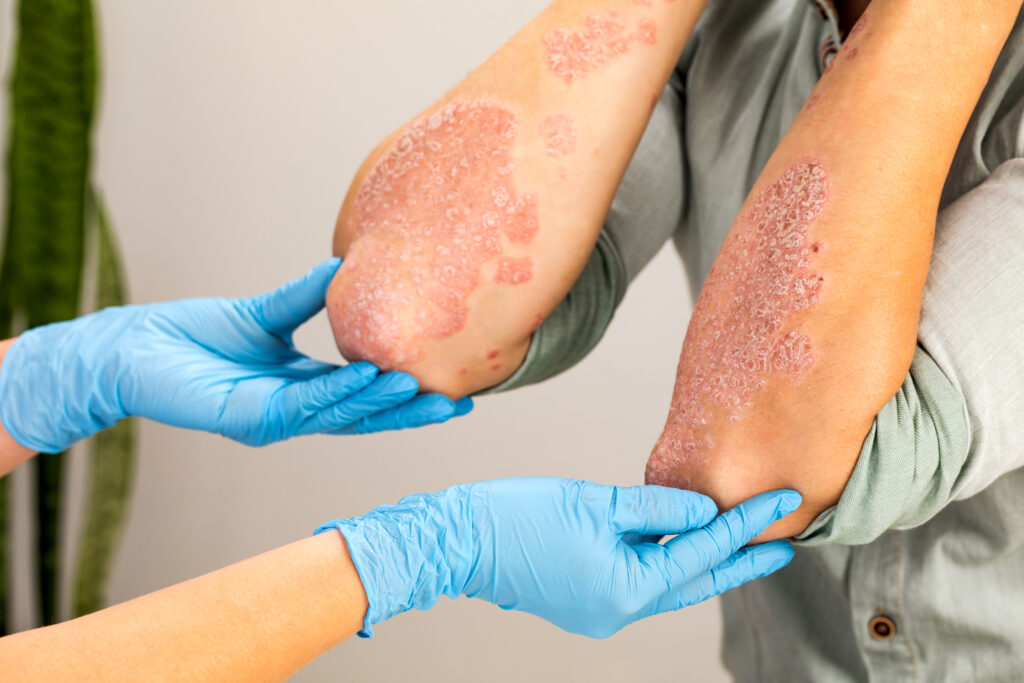
Eczema (Atopic Dermatitis) is a common skin condition that causes itching, dryness, redness, and inflammation. While conventional treatments often provide temporary relief, many people are now exploring Ayurveda for a more holistic and long-term approach to managing eczema symptoms.
Living with eczema can feel overwhelming. The constant itching, irritation, and recurring flare-ups can affect not just your skin but also your sleep, confidence, and daily comfort. Ayurveda offers a time-tested approach that focuses on balancing the body internally while soothing the skin externally.
Many people searching for eczema treatment in Aligarh are now considering Ayurvedic approaches for long-term skin care.
What is Eczema?
Eczema (Atopic Dermatitis) is a chronic inflammatory skin condition that requires proper care and treatment. Many people look for natural options like Ayurvedic treatment for eczema for long-term management.
Common symptoms include dry patches, itching, inflammation, and sometimes oozing or crusting. Eczema is not contagious, but it can be long-lasting and may flare up due to factors like stress, weather changes, or certain foods.
Root of Eczema: The Ayurvedic View
In classical Ayurveda, eczema is known as Vicharchika, a skin condition associated with internal imbalance and impurities in the body. It occurs when all three doshas—Vata, Pitta, and Kapha—are disturbed, with a primary involvement of Rakta Dushti (impurities in the blood).
How the Imbalance Develops
The root cause often begins in the gut. When digestive fire (Mandagni) becomes weak, food is not properly digested, leading to the formation of toxins known as Ama. These toxins can accumulate and circulate in the bloodstream.
Factors like:
- Unhealthy diet.
- Excessive spicy or heat-producing foods.
- Chronic stress.
may aggravate Pitta dosha, which can carry these toxins into the blood and skin tissues.
Role of Doshas in Symptoms
Each dosha contributes to different eczema symptoms:
- Vata → dryness, roughness, and flaking
- Pitta → redness, inflammation, and burning sensation
- Kapha → swelling, itching, and fluid discharge
This combined imbalance leads to the visible signs of eczema on the skin.
Ayurvedic Approach to Management
Ayurveda focuses on addressing the root cause rather than only managing surface symptoms. This may include:
- Improving digestion
- Supporting natural detoxification
- Balancing doshas
- Promoting healthy skin function
With consistent care and proper guidance, this approach may help reduce flare-ups and support long-term skin health.
H2: What Triggers Eczema Flare-Ups?
Understanding the triggers of eczema is essential for long-term management. In Ayurveda, flare-ups are not random—they are usually the result of internal imbalance combined with external factors. Identifying and avoiding these triggers can significantly reduce the frequency and severity of symptoms.
H3: Incompatible Diet (Viruddha Ahara)
In Ayurveda, certain food combinations are considered incompatible because they disturb digestion and create toxins (Ama) in the body. These toxins can circulate in the bloodstream and affect the skin.
Common examples include:
- Consuming milk with sour fruits
- Eating fish with dairy products
- Mixing hot and cold foods together
- Frequent intake of processed or heavy meals
Such combinations may weaken digestive fire (Agni), leading to toxin buildup. Over time, this can contribute to skin issues like eczema, itching, and inflammation.
Stress and Mental Factors
Mental health plays a significant role in skin conditions. Stress, anxiety, and emotional imbalance can directly influence the body’s inflammatory response.
From an Ayurvedic perspective:
- Stress aggravates Pitta dosha, increasing heat and inflammation
- It can also disturb Vata, leading to dryness and sensitivity
This is why many people notice that eczema worsens during:
- Work pressure
- Lack of sleep
- Emotional distress
Managing stress through relaxation techniques can help reduce flare-ups.
Chemical Exposure
Modern lifestyles expose the skin to various chemicals that can irritate and weaken its natural protective barrier.
Common sources include:
- Harsh soaps and body washes
- Synthetic detergents used for clothes
- Perfumed lotions and skincare products
- Pollution and environmental toxins
These chemicals may strip the skin of its natural oils, making it dry, sensitive, and more prone to irritation and itching.
Climate Changes
Weather conditions have a direct impact on eczema symptoms.
- Cold and dry weather increases Vata dosha, leading to dryness, cracking, and flaking
- Hot weather may aggravate Pitta, causing redness and inflammation
- Sudden temperature changes can shock the skin and trigger flare-ups
Proper skincare and seasonal adjustments are important to maintain skin balance.
Lifestyle Habits
Daily habits and routines also influence skin health.
Certain lifestyle factors that may worsen eczema include:
- Irregular sleep patterns
- Eating at inconsistent times
- Sedentary lifestyle
- Ignoring natural urges (like bowel movements or urination)
In Ayurveda, such habits disturb the body’s natural rhythm, leading to imbalance in doshas and toxin accumulation.
Maintaining a disciplined and balanced routine can support overall health and help manage eczema more effectively.
Warning Signs of Vicharchika
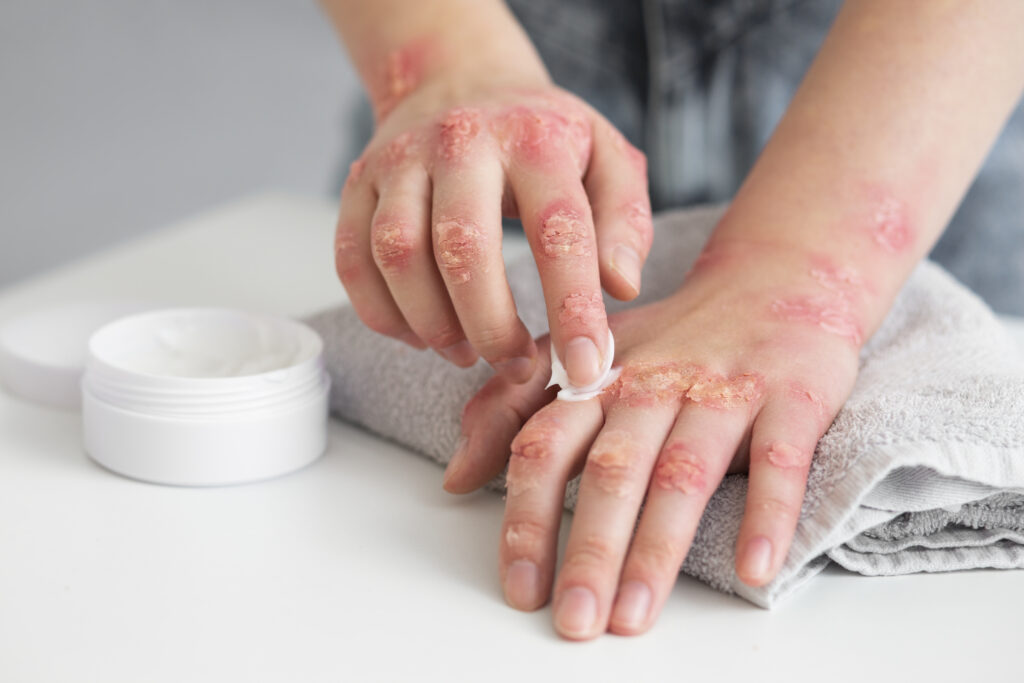
Eczema presents a clear set of symptoms that differentiate it from normal dry skin:
- Intense, Uncontrollable Itching (Kandu): The itch is often so severe that it wakes you up in the middle of the night, forcing you to scratch until the skin breaks and bleeds.
- Thickened, Leathery Skin: Repeated scratching causes the skin to defend itself. It becomes thick, hard, dark, and highly rigid, a process called lichenification.
- Red, Angry Patches: The skin becomes highly inflamed, warm to the touch, and violently red, showcasing the trapped Pitta (heat) underneath.
- Weeping or Crusting Blisters: In acute phases, tiny bumps appear, burst open, and ooze a clear or yellowish fluid that eventually dries into a hard crust.
- Severe Flaking and Peeling: The Vata dosha causes the skin’s surface to completely lose its moisture-binding, leading to a constant shedding of white flakes.
Ayurvedic Lifestyle Tips for Immediate Relief
Managing eczema-related itching requires a gentle and consistent daily routine. In Ayurveda, external care is considered just as important as internal balance, especially during active flare-ups.
A dedicated skincare approach helps:
- Soothe irritation
- Maintain skin moisture
- Protect the skin barrier
- Reduce the urge to scratch
Since eczema-prone skin is highly sensitive, even small changes in daily habits—such as the type of soap used, bathing routine, or clothing choice—can make a noticeable difference.
By following simple Ayurvedic lifestyle practices along with proper care, it is possible to calm the skin, improve comfort, and support the healing process naturally.
Many people suffering from chronic skin conditions now prefer eczema treatment in Aligarh through Ayurveda for safe and long-term relief.
The Moisture Lock (Snigdha)
- Never let your skin dry out completely. Apply virgin coconut oil or medicated Karanja oil within 3 minutes of stepping out of a lukewarm bath.
- This traps the water in your skin cells, rebuilds the broken lipid barrier, and instantly reduces the Vata-driven dryness and itching.
Neem and Oatmeal Baths
- Add a cup of finely ground plain oats or water boiled with fresh Neem leaves to your bathwater. Soak for 10-15 minutes.
- Oats contain natural anti-inflammatory compounds that coat and soothe raw skin, while Neem acts as a potent, natural antibacterial agent that prevents open eczema wounds from getting infected.
Switch to Natural Fibers
- It is recommended to avoid synthetic and tight-fitting clothes and prefer loose, breathable cotton garments.
- Cotton allows the skin to breathe, heavily reducing sweat accumulation and harsh friction that trigger sudden itching fits.
Detoxify the Mind
- Practice gentle yoga and Pranayama (like Alternate Nostril Breathing) for 20 minutes daily.
- It powerfully shifts the nervous system from a state of stress and inflammation to rest and digest, drastically reducing the frequency of stress-induced flare-ups.
Eating for Clear Skin
Your gut is the control center for your skin. To heal eczema, you must eat a diet that cools the blood and requires minimal effort to digest.
Best Foods for Eczema
- Cooling Gourds: Bottle gourd, ridge gourd, and bitter gourd are absolute superfoods for the skin. They are highly alkaline, deeply hydrate the body, and actively cleanse the liver.
- Clarified Butter: Adding a small spoon of pure cow’s ghee to your meals provides internal lubrication, soothing the dry Vata dosha from the inside out.
- Fennel and Coriander Seeds: Boil these seeds in your daily drinking water. They naturally cool the digestive tract and neutralize acidic toxins in the blood.
Foods to Strictly Avoid
- Fermented and Sour Foods: Pickles, vinegar, soy sauce, and sour curd heavily aggravate Pitta dosha, turning the blood acidic and instantly causing the skin to burn and itch.
- Nightshades: Tomatoes, eggplants, and excessive potatoes contain alkaloids that trigger severe inflammatory responses in highly sensitive individuals.
- Junk Food and Refined Sugar: Packaged snacks, sweets, and white flour destroy healthy gut bacteria and create sticky Ama, completely stalling the healing process.
Seeking the Best Ayurvedic Eczema Treatment in Aligarh
At Vaidyaji Aligarh, our experienced Ayurvedic practitioners specialize in managing chronic skin conditions like eczema with personalized treatment plans based on classical Ayurvedic principles.
While diet and home care can help manage mild symptoms, long-standing eczema may require proper evaluation and guided treatment. An Ayurvedic consultation helps identify the root cause, including dosha imbalance and digestive health.
Based on individual assessment, treatment may include:
- Personalized diet and lifestyle guidance
- Herbal formulations for skin support
- Detoxification therapies, if required
If you are looking for eczema treatment in Aligarh, consulting an experienced Ayurvedic doctor can help you manage symptoms effectively and support long-term skin health.
FAQs
Why does my eczema improve in summer but worsen in winter?
Seasonal changes can significantly affect eczema symptoms. In Ayurveda, winter is associated with Vata dosha, which has qualities of dryness and coldness.
During winter:
- Low humidity dries out the skin
- Skin loses natural moisture more quickly
- Dryness leads to itching, cracking, and irritation
In contrast, summer’s natural humidity may help keep the skin more hydrated, which is why some people experience temporary relief.
Can I use Aloe Vera gel directly on eczema patches?
Yes, pure Aloe Vera gel may help soothe irritated and inflamed skin due to its natural cooling properties.
- It is especially helpful for Pitta-dominant symptoms (redness, burning, inflammation)
- For very dry skin (Vata-dominant eczema), Aloe Vera alone may not be sufficient
In such cases, it can be combined with a few drops of coconut oil or sesame oil for better hydration.
Are there Ayurvedic detox treatments for eczema?
In Ayurveda, certain detoxification therapies (Panchakarma) may be recommended in chronic or severe cases under professional supervision.
Common therapies include:
- Virechana (medicated purgation) – helps support internal cleansing
- Raktamokshana (blood purification techniques) – traditionally used for skin conditions
These treatments are personalized and should always be performed by a qualified Ayurvedic practitioner.
Should I avoid salt if I have eczema?
Excessive salt intake may contribute to water retention and increased skin sensitivity in some individuals.
Ayurveda generally suggests:
- Limiting refined and processed salt
- Maintaining a balanced diet
- Avoiding overly salty and processed foods
Instead of completely eliminating salt, moderation is key for overall health.
How can I prevent scratching at night?
Night-time itching is a common concern in eczema. To reduce scratching:
- Apply a moisturizing oil or cream before bed
- Keep nails short and clean
- Wear soft cotton gloves or full sleeves
- Maintain a cool and comfortable sleeping environment
- Practice relaxation techniques to improve sleep quality
If itching is severe, consulting a healthcare professional can help identify appropriate treatment options.
Choosing the right eczema treatment in Aligarh can help you manage symptoms effectively and improve skin health naturally.
For personalized guidance and effective management, consult an experienced Ayurvedic doctor for eczema treatment in Aligarh and start your journey toward healthy skin.