
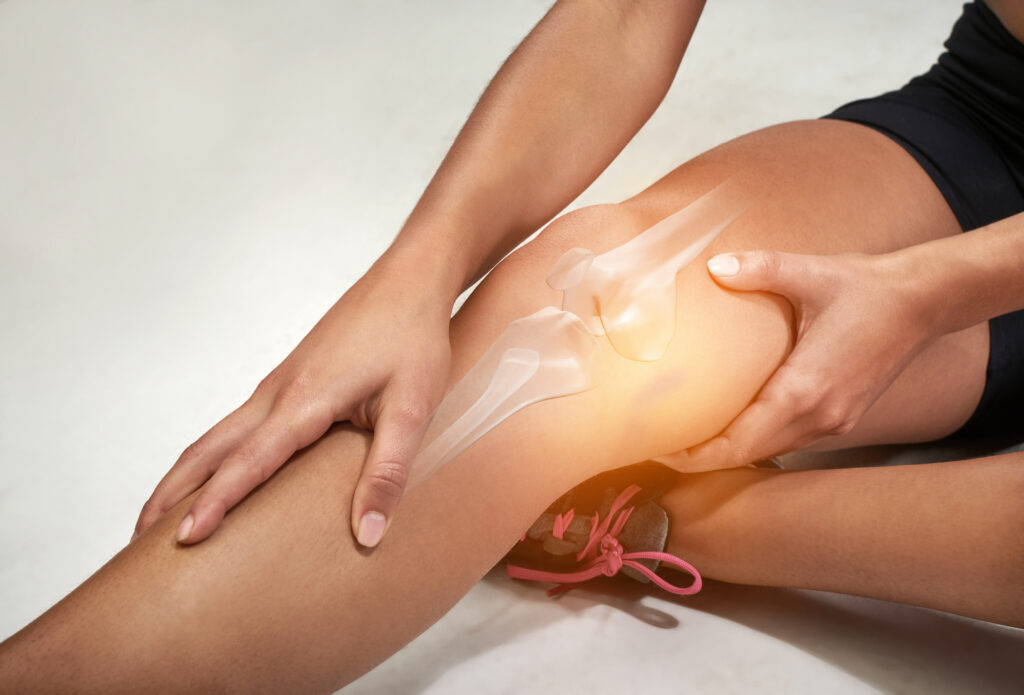
Ayurvedic treatment for arthritis in Aligarh is becoming the preferred choice for people suffering from joint pain, stiffness, and mobility issues. Arthritis (जोड़ों का दर्द) is not just a simple joint issue—it is a progressive condition that can gradually reduce your ability to move, work, and live comfortably.
In Aligarh, many patients depend on painkillers or injections for relief. While these may reduce pain temporarily, they do not address the underlying cause of joint degeneration.
At Vaidyaji Ayurvedic Aligarh, we focus on root-cause healing through Ayurveda, offering long-term relief without harmful side effects or surgery.
If you are looking for a permanent, natural solution for arthritis, understanding the condition deeply is the first step.
What is Arthritis? (Detailed Understanding of Joint Degeneration)
Arthritis is a broad term used to describe inflammation and degeneration of joints. A joint is the point where two bones meet, supported by cartilage, synovial fluid, ligaments, and muscles.
What happens inside the joint:
- Cartilage (protective cushion) starts breaking down
- Synovial fluid (lubrication) reduces
- Bones begin to rub against each other
- Inflammation develops in surrounding tissues
Why this matters:
Once cartilage damage begins, the body struggles to repair it naturally without proper treatment. This is why early intervention is critical.
Types of arthritis:
- Osteoarthritis (wear and tear)
- Rheumatoid arthritis (autoimmune)
- Gout (uric acid related)
Ayurveda focuses not just on the joint, but on the entire body system responsible for joint health.
Arthritis in Ayurveda (Deep Root-Cause Explanation)
In Ayurveda, arthritis is understood as a disorder of dosha imbalance, primarily involving Vata and Ama.
Many patients choose Ayurvedic treatment for arthritis in Aligarh for long-term relief without side effects.
Sandhivata (Osteoarthritis – Degenerative Type)
Sandhivata is caused by aggravated Vata dosha, which has qualities of dryness, roughness, and lightness.
Pathology:
- Vata dries up the natural lubrication (Shleshaka Kapha) in joints
- Cartilage becomes thin and brittle
- Joint space reduces
Result:
- Pain during movement
- Cracking sounds (crepitus)
- Gradual loss of joint strength
This condition is common in older adults or people with physically demanding lifestyles.
Amavata (Rheumatoid Arthritis – Inflammatory Type)
Amavata is more complex and involves Ama (toxins) along with Vata imbalance.
Pathology:
- Weak digestion (Mandagni) creates undigested toxins
- These toxins circulate in the bloodstream
- They accumulate in joints and trigger inflammation
Result:
- Swelling and redness
- Severe pain
- Morning stiffness
- Fatigue and heaviness
This condition is often linked with autoimmune responses.
Key Ayurvedic Principle:
Instead of suppressing symptoms, Ayurveda focuses on:
- Removing toxins (Ama)
- Restoring digestion (Agni)
- Rebalancing doshas
- Rebuilding joint lubrication
Root Causes of Joint Pain (In-Depth Analysis)
Understanding the root cause helps in selecting the right treatment approach.
Age-Related Degeneration
With aging:
- Collagen production decreases
- Cartilage loses elasticity
- Joint repair slows down
This makes joints more vulnerable to damage.
Obesity and Mechanical Stress
Every extra kilogram of body weight puts additional pressure on the knees.
Example:
- Walking multiplies body weight pressure by 2–3 times
- This accelerates cartilage wear
Digestive Weakness (Mandagni)
Poor digestion leads to toxin formation.
Long-term impact:
- Toxins block nutrient supply to joints
- Increase inflammation
- Slow down healing
Sedentary Lifestyle
Lack of movement:
- Reduces circulation
- Decreases synovial fluid production
- Causes stiffness
Environmental Factors
Cold weather and exposure to wind:
- Constrict blood vessels
- Increase stiffness
- Aggravate Vata dosha
Symptoms of Arthritis
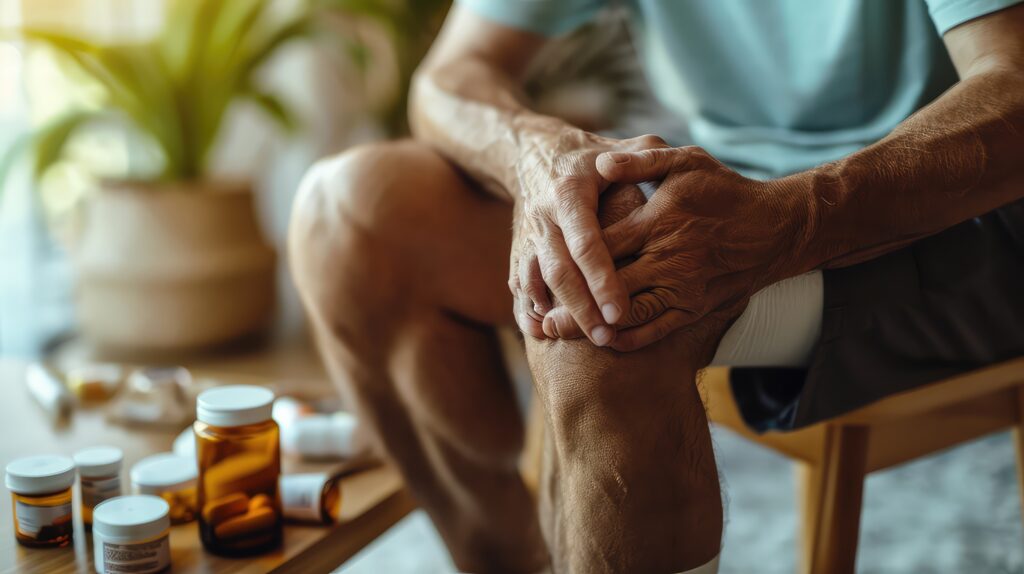
Pain During Movement
Pain increases with activity because damaged joints cannot handle pressure effectively.
Morning Stiffness
After long rest, joints become stiff due to lack of lubrication.
Swelling and Warmth
Inflammation causes fluid accumulation in joints.
Crepitus (Cracking Sound)
This occurs when cartilage is worn out and bones rub together.
Reduced Mobility
Patients may struggle to:
- Sit cross-legged
- Climb stairs
- Stand for long
Advanced Ayurvedic Treatment for Arthritis in Aligarh
Ayurvedic treatment combines therapies, medicines, diet, and lifestyle correction.
Janu Basti (Deep Joint Lubrication Therapy)
Janu Basti is a specialized therapy where warm medicated oil is retained over the knee using a dough ring.
How it works:
- Heat allows deeper penetration of oil
- Nourishes cartilage
- Improves circulation
Benefits:
- Reduces stiffness
- Improves mobility
- Strengthens joint structure
Abhyanga (Therapeutic Oil Massage)
A systematic massage using herbal oils.
Effects:
- Improves lymphatic drainage
- Reduces muscle tightness
- Enhances joint flexibility
Swedana (Steam Therapy)
Steam therapy is used after massage.
Effects:
- Opens pores
- Eliminates toxins
- Relieves stiffness
Internal Ayurvedic Medicines
Medicines are selected based on individual condition.
Key herbs:
- Shallaki → reduces inflammation
- Guggulu → strengthens joints
- Ashwagandha → improves strength
Diet for Arthritis (Scientific + Ayurvedic Perspective)
Recommended Foods
- Warm, freshly cooked meals
- Turmeric milk (curcumin reduces inflammation)
- Desi ghee (lubricates tissues)
- Ginger & garlic (improve digestion)
Foods to Avoid
- Cold drinks (slow digestion)
- Processed foods (increase toxins)
- Excess sugar (promotes inflammation)
- Sour foods (increase swelling)
Lifestyle Modifications for Long-Term Relief
Managing arthritis is not only about treatment—it’s about daily habits. Small lifestyle changes can significantly reduce pain, slow down joint damage, and improve mobility over time.
Regular Physical Activity (Movement is Medicine)
Many patients think rest is the solution, but too much rest actually worsens arthritis.
Why movement is important:
- Improves blood circulation to joints
- Increases synovial fluid (natural lubrication)
- Prevents stiffness and muscle weakness
Best exercises:
- Slow walking (15–30 minutes daily)
- Yoga (especially joint mobility exercises)
- Stretching and light strengthening
Avoid:
- Running on hard surfaces
- Heavy weightlifting
- Sudden jerky movements
Maintain Healthy Body Weight (Reduce Joint Pressure)
Excess weight is one of the biggest reasons for knee arthritis.
How it affects joints:
- Knees bear 2–3x body weight during walking
- Extra weight accelerates cartilage damage
Benefit of weight loss:
- Reduces joint stress
- Improves mobility
- Decreases inflammation
Even losing 5–7 kg can significantly reduce knee pain.
Follow a Daily Routine (Dinacharya)
In Ayurveda, maintaining a disciplined daily routine helps balance doshas.
Ideal routine:
- Wake up early
- Eat meals at fixed times
- Sleep on time
- Avoid late-night eating
A consistent routine improves digestion and reduces toxin formation (Ama).
Keep Joints Warm (Avoid Cold Exposure)
Cold is one of the biggest triggers for joint pain.
Why warmth helps:
- Improves blood circulation
- Reduces stiffness
- Relaxes muscles
Practical tips:
- Wear knee support or warm clothing
- Avoid direct AC exposure
- Use warm oil massage regularly
Correct Posture and Body Mechanics
Poor posture silently damages joints over time.
Common mistakes:
- Sitting cross-legged for long hours (if painful)
- Slouching while sitting
- Standing unevenly
Correct habits:
- Sit with back straight
- Use proper chair support
- Avoid long sitting without breaks
Stress Management (Often Ignored but Important)
Chronic stress increases inflammation in the body.
Effects of stress:
- Hormonal imbalance
- Increased pain sensitivity
- Slower healing
What helps:
- Meditation
- Deep breathing exercises
- Yoga
Proper Sleep for Joint Recovery
Sleep is when the body repairs itself.
Poor sleep leads to:
- Increased inflammation
- More pain sensitivity
- Fatigue
Tips:
- Sleep 7–8 hours daily
- Avoid screens before bed
- Maintain a fixed sleep schedule
Avoid Long Periods of Inactivity
Sitting or lying for long periods can make joints stiff.
What to do:
- Take breaks every 30–45 minutes
- Stretch your legs
- Walk around regularly
Why Choose Ayurvedic Treatment in Aligarh?
Choosing treatment locally in Aligarh ensures:
- Easy follow-ups
- Personalized care
- Better monitoring of progress
Book your consultation today and take the first step toward a pain-free life.
Expert Ayurvedic Care at Vaidyaji Aligarh
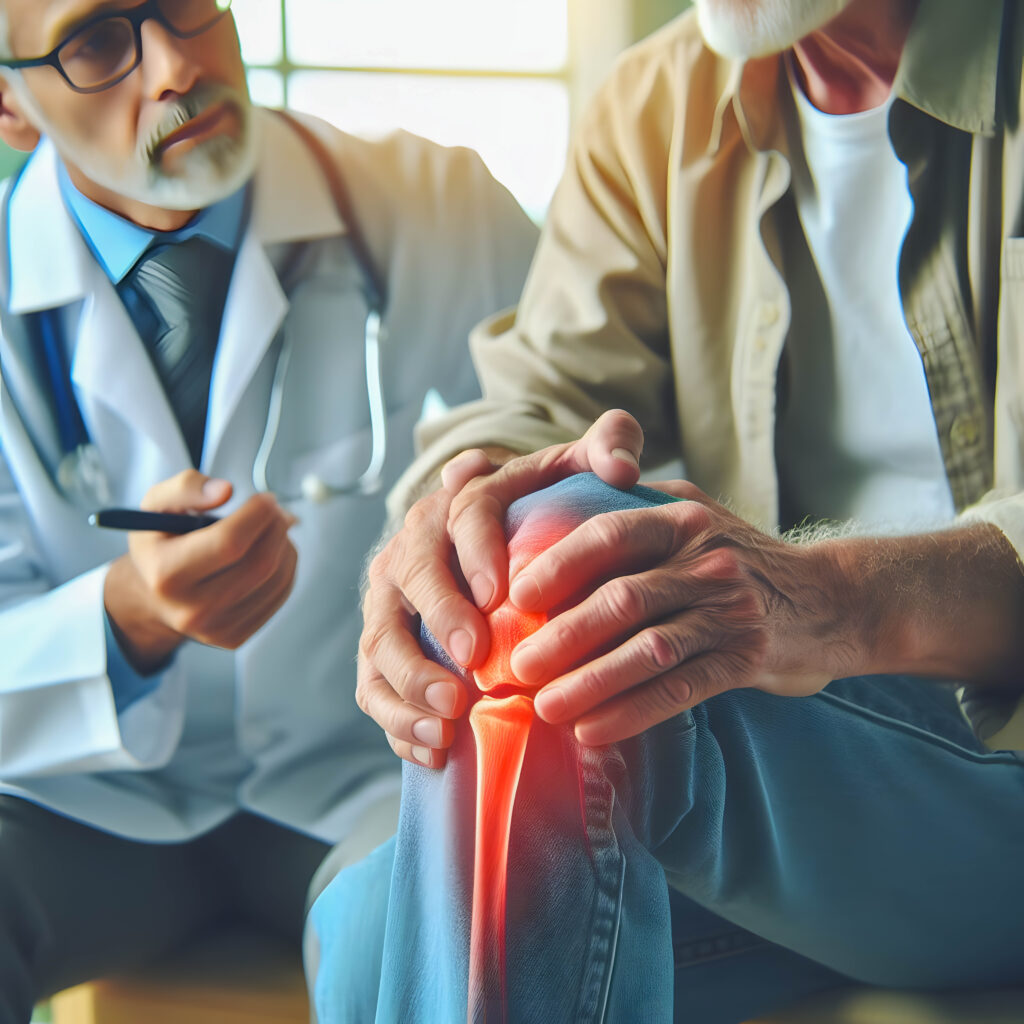
At Vaidyaji Ayurvedic Aligarh, we provide:
- Personalized diagnosis
- Root-cause treatment
- Safe herbal medicines
- Long-term relief
If you are looking for Ayurvedic treatment for arthritis in Aligarh, consult an experienced doctor for personalized care.
FAQs
1- Can arthritis be prevented?
Yes, in many cases arthritis can be delayed or prevented by:
- Maintaining healthy weight
- Staying physically active
- Eating a balanced diet
- Avoiding joint injuries
Early care is the key to prevention.
2- How long does Ayurvedic treatment take to show results?
Results depend on the severity of the condition:
- Mild cases → improvement in few weeks
- Moderate cases → 1–3 months
- Chronic cases → longer treatment required
Ayurveda focuses on gradual but long-lasting improvement.
3- Is Ayurveda safe for long-term use?
Yes, Ayurvedic treatments use natural herbs and therapies, making them safe when taken under expert guidance.
4- Which is better—Ayurveda or allopathy for arthritis?
Both have their roles:
- Allopathy → quick pain relief
- Ayurveda → long-term healing and root-cause treatment
Many patients combine both under medical supervision.
5- Can young people get arthritis?
Yes, arthritis is no longer limited to older adults.
Reasons:
- Poor lifestyle
- Lack of exercise
- Junk food consumption
- Stress
6- Does sitting on the floor worsen knee pain?
For people with arthritis:
- Sitting cross-legged can increase pressure on knees
- It may worsen pain if joints are already damaged
Use chairs if discomfort is present.
7- Are supplements necessary for joint health?
In Ayurveda, natural herbs and diet are preferred. Supplements may be used if recommended by a doctor.
8- When should I see a doctor for joint pain?
Consult a doctor if:
- Pain lasts more than a few weeks
- Swelling increases
- Movement becomes difficult
- Pain interferes with daily life
9- Can diet alone cure arthritis?
Diet plays a major role, but complete treatment usually requires:
- Lifestyle changes
- Therapies
- Medicines
10- Is complete bed rest good for arthritis?
No. Complete rest can:
- Increase stiffness
- Weaken muscles
Controlled movement is essential.