
By Vd. Prateek Agrawal, B.A.M.S.

Do you often experience bloating, stomach cramps, constipation, diarrhea, or an urgent need to visit the washroom after meals? If these symptoms occur repeatedly and interfere with your daily routine, you may be dealing with Irritable Bowel Syndrome (IBS).
IBS is a common digestive condition that affects people of all ages. While it does not cause structural damage to the intestines, it can significantly impact quality of life, work productivity, travel plans, and emotional well-being.
At Vaidya Ji Aligarh, we frequently meet individuals from Aligarh and nearby areas who have been struggling with digestive discomfort for months or even years. Many initially assume they simply have “gas” or “acidity,” but persistent symptoms often require a more comprehensive understanding of digestive health.
If you’re searching for home remedies for IBS, this article explores traditional Indian practices, Ayurvedic perspectives, and practical lifestyle habits that may help support digestive comfort naturally.
What Is IBS?
Irritable Bowel Syndrome (IBS) is a functional gastrointestinal disorder that affects how the intestines work.
People with IBS commonly experience:
- Abdominal pain or cramping
- Bloating
- Excessive gas
- Diarrhea
- Constipation
- Alternating episodes of diarrhea and constipation
- Mucus in stool
- A feeling of incomplete bowel emptying
- Digestive discomfort after meals
Symptoms vary from person to person. Some individuals experience occasional flare-ups, while others find that IBS significantly affects their daily activities.
Although IBS is common, similar symptoms can sometimes occur in other digestive conditions. Therefore, persistent or severe symptoms should not be ignored.
What Does Ayurveda Say About IBS?
According to Ayurveda, healthy digestion plays an important role in maintaining overall well-being.
Digestive disturbances are often linked to an imbalance in Agni (digestive fire) and Vata Dosha, particularly when eating habits and daily routines become irregular.
From an Ayurvedic perspective, digestive discomfort may be influenced by factors such as:
- Eating meals at inconsistent times
- Skipping meals
- Excessive consumption of processed foods
- Emotional stress
- Poor sleep patterns
- Sedentary lifestyles
Rather than focusing only on symptoms, Ayurveda encourages a holistic approach that includes dietary awareness, lifestyle modifications, and individualized guidance.
Home Remedies for IBS That Many Indian Households Use
Traditional home remedies have been part of Indian households for generations. While these remedies may support digestive comfort for some individuals, responses can vary.
1. Ajwain (Carom Seeds)
Ajwain is commonly used to support digestion.
How it may help:
- Supports digestive function
- May reduce gas and bloating
- Helps ease abdominal discomfort
How to use:
Chew half a teaspoon of roasted ajwain after meals or consume it with warm water.
2. Jeera Water (Cumin Water)
Jeera water is a traditional digestive drink prepared in many Indian homes.
How it may help:
- Supports digestion
- May reduce bloating
- Promotes digestive comfort
How to use:
Boil one teaspoon of cumin seeds in a glass of water. Strain and consume once slightly cooled.
3. Ginger Tea
Ginger has long been used to support digestive health.
How it may help:
- May help ease nausea
- Supports digestion
- Can provide comfort during bloating
How to use:
Prepare fresh ginger tea by boiling a few slices of ginger in water.
4. Saunf (Fennel Seeds)
Fennel seeds are traditionally consumed after meals.
How they may help:
- Support digestion
- May reduce gas
- Promote digestive comfort
How to use:
Chew one teaspoon of fennel seeds after meals.
5. Buttermilk
Fresh homemade buttermilk is a popular addition to Indian meals.
How it may help:
- Supports digestive balance
- Feels light and refreshing
- May improve post-meal comfort
How to use:
Consume homemade buttermilk with a pinch of roasted cumin powder if it suits your digestive tolerance.
6. Isabgol (Psyllium Husk)
For individuals who experience constipation-predominant IBS, psyllium husk may be useful.
How it may help:
- Supports bowel regularity
- Improves stool consistency
- Helps relieve constipation
How to use:
Mix one teaspoon of Isabgol in water before bedtime and maintain adequate hydration.
7. Mint
Mint is often used for its soothing properties.
How it may help:
- Supports digestive comfort
- May help ease bloating
- Refreshes the digestive system
How to use:
Consume mint tea or incorporate fresh mint into meals.
8. Hing (Asafoetida)
Hing has traditionally been used to reduce gas formation.
How it may help:
- Supports digestion
- May help reduce bloating
- Easy to include in cooking
How to use:
Add a small pinch of hing while preparing dals and vegetables.
Foods That May Support Digestive Comfort
Food triggers vary among individuals, but some foods are often better tolerated.
Foods That May Be Easier to Digest
- Khichdi
- Moong dal
- Rice
- Oats
- Idli
- Poha
- Papaya
- Banana
- Cooked vegetables
- Fresh homemade meals
Foods That May Trigger Symptoms in Some Individuals
- Deep-fried foods
- Excessively spicy dishes
- Processed snacks
- Carbonated beverages
- Excess tea and coffee
- Heavy oily meals
- Artificial sweeteners
Keeping a food diary may help identify patterns and personal triggers.
Lifestyle Habits That Support Gut Health
Many people focus only on food but overlook daily habits that influence digestion.
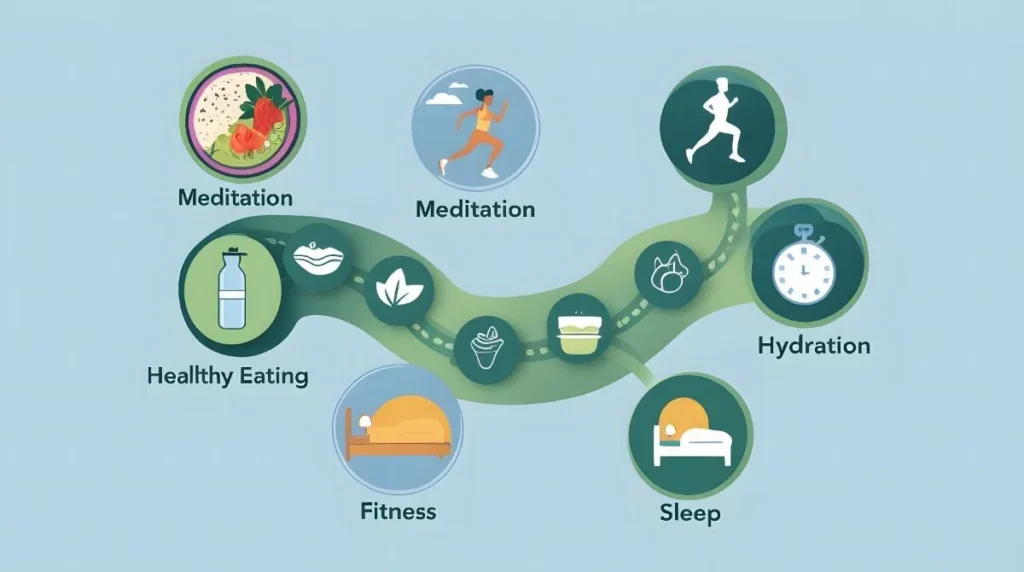
Maintain Regular Meal Timings
Try to:
- Avoid skipping meals
- Eat breakfast regularly
- Maintain consistent meal schedules
- Finish dinner two to three hours before bedtime
Manage Stress
Stress is commonly associated with worsening IBS symptoms.
Helpful practices include:
- Deep breathing exercises
- Meditation
- Yoga
- Walking
- Spending time outdoors
Stay Physically Active
Regular movement supports overall digestive health.
Even thirty minutes of walking each day may be beneficial.
Prioritize Quality Sleep
Poor sleep may affect both digestion and emotional well-being.
Aim for a consistent sleep schedule and limit late-night screen exposure.
Clinical Observations from Practice
At Vaidya Ji Aligarh, many individuals seeking guidance for digestive discomfort mention that their symptoms tend to worsen during periods of stress, irregular eating schedules, excessive tea consumption, and frequent intake of spicy roadside foods.
While every individual’s experience is unique, identifying and addressing these lifestyle patterns often becomes an important part of supporting long-term digestive wellness.
When Should You Seek Medical Advice?
Consult a qualified healthcare professional if you experience:
- Blood in stools
- Unexplained weight loss
- Persistent vomiting
- Severe abdominal pain
- Fever along with digestive symptoms
- Symptoms that interfere with daily life
- Ongoing digestive problems despite lifestyle changes
Early evaluation can help rule out other conditions that may require medical attention.
Conclusion
Living with IBS can be frustrating, especially when symptoms affect your confidence, social activities, and daily routine. However, many individuals find that paying attention to their eating habits, managing stress, maintaining regular routines, and using traditional digestive practices can help support digestive comfort.
These home remedies for IBS should be viewed as supportive measures rather than guaranteed solutions. What works for one person may not work for another.
If your symptoms persist or significantly impact your quality of life, seeking professional guidance can help you better understand your digestive health needs.
At Vaidya Jii Aligarh, we encourage individuals to focus on sustainable lifestyle habits, mindful eating, and personalized care that supports long-term well-being.
Frequently Asked Questions
Can home remedies cure IBS permanently?
Home remedies may help support digestive comfort in some individuals, but IBS management varies from person to person. Persistent symptoms should be evaluated by a healthcare professional.
1- Is ajwain good for IBS?
Ajwain may help support digestion and reduce gas or bloating in some individuals.
2- Can stress trigger IBS symptoms?
Yes. Many people report worsening digestive symptoms during periods of increased stress and anxiety.
3- Is Isabgol beneficial for IBS?
Isabgol may support bowel regularity in individuals experiencing constipation-related symptoms. However, adequate hydration is important.
4- Which foods should IBS patients avoid?
Common triggers include fried foods, processed snacks, carbonated drinks, and excessive caffeine. Triggers vary among individuals.
5- Does walking help IBS?
Regular physical activity may support digestion, reduce stress, and contribute to overall well-being.
6- Which home remedies for IBS are commonly used in India?
Commonly used home remedies for IBS include ajwain, jeera water, ginger tea, saunf, mint, and Isabgol. While many people find them helpful, results can vary from person to person.
7- When should I see a doctor for IBS symptoms?
Seek medical advice if symptoms are severe, persistent, or accompanied by warning signs such as blood in stools, unexplained weight loss, or persistent vomiting.
About the Author
Vd. Prateek Agrawal, B.A.M.S. is associated with Vaidya Jii Aligarh and regularly guides individuals on lifestyle-related concerns and digestive wellness through personalized Ayurvedic consultations.
Disclaimer: This article is intended for educational purposes only and should not be considered medical advice. Home remedies and Ayurvedic approaches may support overall well-being but are not a substitute for professional diagnosis or treatment. If you have persistent digestive symptoms, consult a qualified healthcare professional.