

A few months ago, a middle-aged gentleman walked into Vaidyaji Aligarh with a simple question.
“Doctor Sahib, my blood sugar is under control with medicines, but I want to improve my health naturally too. Are there any Ayurvedic herbs that can help?”
This isn’t an unusual question. In fact, it’s one of the most common concerns people bring to us. Some have recently been diagnosed with diabetes, while others are trying to prevent their blood sugar from rising further. Almost everyone wants to know whether nature has something to offer alongside a healthy lifestyle and medical treatment.
The answer is yes—but with an important understanding.
Ayurveda doesn’t believe in miracle herbs or overnight cures. Instead, it focuses on restoring balance within the body. According to Ayurvedic principles, healthy digestion, proper metabolism, balanced eating habits, regular physical activity, and stress management all work together to support overall health. Herbs are simply one part of this larger picture.
If you’re searching for the best Ayurvedic herbs for blood sugar support, this guide will help you understand which herbs have been traditionally used in Ayurveda, how they are commonly included in daily routines, and why professional guidance is always important.
Why Ayurveda Looks Beyond Blood Sugar Numbers
Most people think blood sugar management is only about reducing glucose levels. Ayurveda takes a broader view.
Instead of focusing only on test reports, it pays attention to your overall lifestyle. Poor eating habits, irregular sleep, emotional stress, lack of exercise, and weak digestion are all believed to affect the body’s natural balance over time.
That’s why an Ayurvedic consultation doesn’t begin with herbs alone. At Vaidyaji Aligarh, patients are first asked about their daily routine, eating habits, digestion, sleep pattern, and overall health before any recommendations are made.
This personalized approach is one of the biggest reasons many people choose Ayurveda as a supportive system of healthcare.
What Makes Ayurvedic Herbs Different?
Unlike synthetic medicines that usually target a specific symptom, Ayurvedic herbs are traditionally selected to support the body’s natural functions.
Many herbs used in Ayurveda are valued because they may:
· Support healthy glucose metabolism.
· Help maintain normal digestive function.
· Reduce unhealthy sugar cravings.
· Provide natural antioxidants.
· Promote overall metabolic wellness.
· Work alongside healthy lifestyle changes.
It’s important to remember that these herbs are not a replacement for prescribed diabetes medicines. If you’re already receiving treatment for diabetes, always consult your doctor or a qualified Ayurvedic physician before adding herbal supplements to your routine.
Top Ayurvedic Herbs for Blood Sugar Support
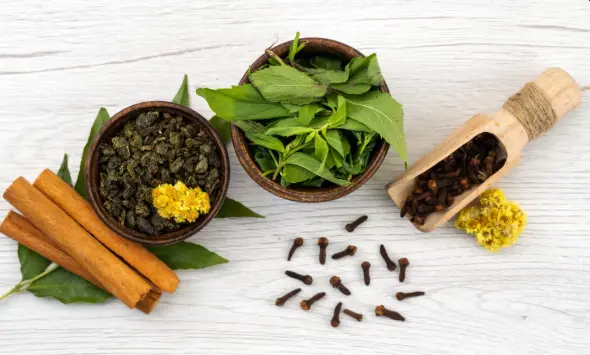
1. Gurmar (Gymnema Sylvestre): Why Is It Called the “Sugar Destroyer”?
Among all Ayurvedic herbs for blood sugar support, Gurmar is probably the best known.
Its Sanskrit name literally means “destroyer of sugar.” Traditionally, people noticed that chewing Gurmar leaves temporarily reduced the ability to taste sweetness. Over time, the herb became closely associated with supporting healthy glucose metabolism.
Many people visiting our clinic ask whether Gurmar alone can solve blood sugar problems. The answer is no.
Like every Ayurvedic herb, Gurmar works best when it becomes part of a healthy lifestyle that includes balanced meals, regular exercise, and proper medical care.
Traditionally, Gurmar is believed to:
· Support healthy blood sugar metabolism.
· Help reduce cravings for sugary foods.
· Promote overall metabolic balance.
· Complement an active lifestyle.
Because every person’s health condition is different, the dosage should always be decided by a qualified practitioner.
2. Jamun Seed: A Traditional Remedy Still Trusted Today
If you ask your grandparents about natural remedies for blood sugar, there’s a good chance they’ll mention Jamun.
For generations, dried Jamun seed powder has been part of traditional Ayurvedic practice. Even today, it remains one of the most commonly recommended herbs for supporting healthy blood sugar levels.
Jamun seeds contain naturally occurring plant compounds and antioxidants that have made them valuable in traditional wellness practices.
Instead of expecting dramatic results within a few days, Ayurveda encourages consistent use under professional guidance while maintaining healthy eating habits.
Jamun seed is traditionally valued because it may:
· Support healthy glucose metabolism.
· Promote digestive health.
· Provide natural antioxidants.
· Complement a balanced lifestyle.
3. Fenugreek (Methi): The Everyday Spice with Remarkable Benefits
Sometimes the most useful ingredients are already sitting in your kitchen.
Fenugreek, commonly known as Methi, has been used in Indian households for centuries—not just as a spice but also as a traditional home remedy.
One common practice is soaking fenugreek seeds overnight and drinking the water the next morning. Others simply include the seeds in vegetables, dals, or homemade herbal preparations.
Fenugreek is naturally rich in soluble fiber, which may help slow the absorption of carbohydrates after meals. This is one reason it continues to be recommended as part of a balanced diet for people looking to support healthy blood sugar levels.
However, it’s important not to assume that more is always better. Excessive consumption of any herb without guidance may not be suitable for everyone.
A Quick Comparison of Popular Ayurvedic Herbs
| Herb | Traditional Ayurvedic Benefit
| Gurmar | Helps support healthy glucose metabolism and reduce sugar cravings
| Jamun Seed | Traditionally used for metabolic balance
| Fenugreek (Methi) | Rich in soluble fiber and supports digestion
| Amla | Supports metabolism and overall vitality
| Karela | Traditionally valued for metabolic wellness
| Vijaysar | Used in Ayurveda to support healthy glucose balance
| Neem | Supports overall metabolic health
| Turmeric | Provides antioxidant support and promotes overall wellness
In the next section, we’ll explore Amla, Karela, Vijaysar, Neem, and Turmeric in greater detail. We’ll also discuss common mistakes people make while using Ayurvedic herbs and simple lifestyle changes that can make a meaningful difference in supporting healthy blood sugar levels.
4. Amla (Indian Gooseberry): A Small Fruit with Big Benefits
When people hear the word Amla, the first thing that usually comes to mind is immunity. While that’s true, Ayurveda has appreciated this fruit for much more than that.
Amla is known as a Rasayana, which means a rejuvenating herb that helps nourish the body and promote overall well-being. Instead of targeting a single health concern, it supports several body systems at the same time.
Many Ayurvedic practitioners include Amla in wellness plans because a healthy digestive system and proper metabolism are considered essential for maintaining healthy blood sugar levels.
Traditionally, Amla is valued for:
· Supporting healthy metabolism.
· Providing natural antioxidants.
· Promoting digestive health.
· Supporting liver function.
· Helping maintain overall vitality.
Many people enjoy fresh Amla during the season, while others prefer Amla juice or Ayurvedic formulations. The right form depends on an individual’s health condition and should ideally be discussed with a qualified practitioner.
5. Karela (Bitter Gourd): More Than Just a Bitter Vegetable
Not everyone enjoys eating Karela, but it has remained one of the most respected vegetables in Ayurvedic nutrition.
One mistake we often notice at Vaidyaji Aligarh is that people start drinking bitter gourd juice every morning after watching videos online. After a week, they become disappointed because they don’t notice dramatic changes.
Ayurveda doesn’t work like that.
Karela is not a magic solution. Instead, it is one part of a much larger lifestyle that includes healthy eating, regular movement, proper sleep, and stress management.
When these habits are followed consistently, herbs like Karela may provide better support than when used alone.
6. Vijaysar: A Traditional Ayurvedic Herb Worth Knowing
Although Vijaysar isn’t as common in everyday conversations as turmeric or neem, it has been mentioned in Ayurvedic texts for generations.
Earlier, many families stored drinking water overnight in wooden cups made from Vijaysar. This traditional practice is still remembered in many parts of India.
Today, Vijaysar is available in powders, tablets, and herbal formulations.
Traditionally, Vijaysar is believed to:
· Support healthy glucose metabolism.
· Promote metabolic balance.
· Complement healthy eating habits.
· Support digestive wellness.
Like other Ayurvedic herbs, Vijaysar should be taken only after consulting a qualified practitioner, especially if you’re already taking medicines for diabetes.
7. Neem: A Powerful Herb Beyond Skin Care
Most people know Neem as a natural remedy for skin problems, but Ayurveda values it for many other reasons.
Its naturally bitter taste is believed to help balance the body and support healthy metabolism.
Neem is also rich in plant compounds that provide antioxidant support.
Rather than taking Neem regularly on your own, it is better to seek professional advice because every person’s body constitution is different.
8. Turmeric (Haldi): The Golden Spice in Every Kitchen
Turmeric is probably one of the easiest Ayurvedic herbs to include in daily life.
Whether it’s added to vegetables, lentils, or warm milk, Haldi has been part of Indian cooking for centuries.
From an Ayurvedic perspective, turmeric supports digestion, liver health, and overall wellness.
Modern research has also explored curcumin, the active compound in turmeric, for its antioxidant and anti-inflammatory properties.
While turmeric is not a substitute for diabetes treatment, including it in a balanced diet may contribute to overall health.
Common Mistakes People Make While Using Ayurvedic Herbs
Many people begin using herbs with good intentions, but small mistakes can reduce their effectiveness or even cause problems.
Some of the most common mistakes include:
· Expecting herbs to work within a few days.
· Stopping diabetes medicines without consulting a doctor.
· Purchasing herbal products from unreliable sources.
· Taking multiple herbal supplements together without professional advice.
· Ignoring diet and exercise while depending only on herbs.
· Following random social media advice instead of consulting an experienced Ayurvedic practitioner.
Ayurveda emphasizes balance, patience, and consistency. Healthy habits matter just as much as the herbs themselves.
Lifestyle Habits That Support Healthy Blood Sugar Levels
One of the biggest lessons Ayurveda teaches is that medicine alone isn’t enough.
Simple daily habits often have a greater impact than people realize.
Here are a few habits that are worth adopting:
· Eat meals at regular times.
· Avoid excessive sugary drinks and processed snacks.
· Include fresh vegetables, seasonal fruits, and whole grains in your diet.
· Walk for at least 30 minutes most days of the week.
· Practice yoga or light stretching.
· Get enough sleep every night.
· Manage stress through meditation or breathing exercises.
These changes may seem simple, but when followed consistently, they can make a meaningful difference in supporting overall health.
When Should You Consult an Ayurvedic Doctor?
Many people begin taking herbal powders or supplements after reading articles online or watching videos on social media. While learning about Ayurveda is a good first step, self-medication is not always the right approach.
The same herb may suit one person but not another. According to Ayurveda, every individual has a unique Prakriti (body constitution), which is why treatment is always personalized.
At Vaidyaji Aligarh, During our years of Ayurvedic practice at Vaidyaji Aligarh, many patients with early-stage blood sugar imbalance have shared similar concerns. One common pattern we observe is irregular eating habits, poor sleep, and lack of physical activity. Addressing these lifestyle factors often becomes an important part of Ayurvedic care.
You should consider consulting a qualified Ayurvedic doctor if:
· Your blood sugar levels remain consistently high.
· You have recently been diagnosed with diabetes or prediabetes.
· You are already taking medicines for diabetes.
· You have high blood pressure, kidney disease, or other long-term health conditions.
· You want an Ayurvedic treatment plan that is tailored to your individual needs rather than general advice.
A proper consultation helps ensure that herbs are chosen according to your health condition instead of following a one-size-fits-all approach.
Can Ayurvedic Herbs Replace Diabetes Medicines?
This is probably one of the most frequently asked questions.
The simple answer is No.
Ayurvedic herbs are traditionally used to support healthy blood sugar levels and overall wellness. They should not be considered a replacement for medicines prescribed by your doctor.
If you are taking diabetes medication, never stop or change it without medical advice. In many cases, Ayurveda is used as a complementary approach alongside healthy eating, regular exercise, and ongoing medical care.
The goal is to improve overall health—not to replace essential treatment.
A Few Practical Tips for Everyday Life
Healthy habits don’t have to be complicated. Small, consistent changes often make a bigger difference than drastic ones.
Here are a few practical suggestions that many people find easy to follow:
· Start your day with a balanced breakfast instead of skipping meals.
· Include more seasonal vegetables in your lunch and dinner.
· Drink enough water throughout the day.
· Limit packaged snacks and sugary beverages.
· Make walking a daily habit, even if it’s just for 30 minutes.
· Try to sleep and wake up at the same time each day.
· Schedule regular health check-ups and monitor your blood sugar as advised.
Remember, Ayurveda is built around consistency rather than quick fixes.
Final Thoughts
Managing blood sugar is not just about numbers on a laboratory report. It is about taking care of your body every day through better food choices, regular movement, good sleep, and mindful living.
Ayurvedic herbs such as Gurmar, Jamun Seed, Fenugreek, Amla, Karela, Vijaysar, Neem, and Turmeric have been valued in traditional practice for generations. When used responsibly and under professional guidance, they may support healthy blood sugar levels as part of an overall wellness plan.
Looking for personalized Ayurvedic guidance in Aligarh? Schedule a consultation with Vaidya Prateek Agrawal (B.A.M.S.) at Vaidyaji Aligarh. Every consultation includes an assessment of your Prakriti (body constitution), lifestyle, dietary habits, and current health condition to create a personalized Ayurvedic care plan.
At Vaidyaji Aligarh, we believe that every patient’s health journey is unique. Rather than offering the same solution to everyone, we focus on understanding the individual and recommending lifestyle changes and Ayurvedic support that align with their specific needs.
Frequently Asked Questions (FAQs)
1. Which is the best Ayurvedic herb for blood sugar support?
There is no single herb that works best for everyone. Gurmar, Jamun Seed, Fenugreek, Amla, Karela, Vijaysar, Neem, and Turmeric are among the most commonly used Ayurvedic herbs for supporting healthy blood sugar levels. The right choice depends on your individual health condition.
2. Can Ayurvedic herbs completely cure diabetes?
No. Ayurveda focuses on supporting overall health and maintaining healthy blood sugar levels. It should not be considered a cure for diabetes or a substitute for medical treatment.
3. Is it safe to take Ayurvedic herbs with diabetes medicines?
Some herbs may interact with medications or enhance their effects. Always consult your doctor or a qualified Ayurvedic practitioner before combining herbal supplements with prescription medicines.
4. How long do Ayurvedic herbs take to show results?
The timeline varies from person to person. Factors such as diet, physical activity, overall health, and consistency all influence the outcome. Ayurveda is generally viewed as a long-term approach to wellness.
5. Can I drink Karela juice every day?
Not necessarily. While Karela is traditionally used in Ayurveda, daily consumption may not be suitable for everyone. It’s best to seek professional advice before making it part of your routine.
6. Are there any side effects of Ayurvedic herbs?
When taken in the correct dosage under professional guidance, Ayurvedic herbs are generally well tolerated. However, self-medication or excessive use may increase the risk of unwanted effects.
7. Which lifestyle changes support healthy blood sugar along with Ayurveda?
Regular exercise, a balanced diet, quality sleep, stress management, maintaining a healthy weight, and following your doctor’s advice are all important. Ayurvedic herbs work best when combined with these healthy habits.
8. Can people with prediabetes benefit from Ayurveda?
Many people with prediabetes explore Ayurveda as part of a broader wellness plan. A qualified Ayurvedic practitioner can recommend lifestyle changes and herbs that may support overall metabolic health based on individual needs.
9. Why is professional guidance important before taking Ayurvedic herbs?
Every person has a different body constitution and medical history. A qualified practitioner can recommend the right herbs, dosage, and lifestyle changes while considering any medications or existing health conditions.
10. Where can I get Ayurvedic consultation for blood sugar support in Aligarh?
If you’re looking for personalized Ayurvedic guidance, you can consult the experienced team at Vaidyaji Aligarh. A detailed consultation helps identify the most appropriate approach based on your health condition, lifestyle, and Ayurvedic body constitution.
Disclaimer
This article is intended for educational and informational purposes only. It does not replace professional medical advice, diagnosis, or treatment. If you have diabetes, prediabetes, or any other medical condition, consult your doctor or a qualified Ayurvedic practitioner before starting any herbal supplement or making changes to your current treatment plan.
About the Author
Vaidya Prateek Agrawal (B.A.M.S.)
Vaidya Prateek Agrawal is an experienced Ayurvedic physician practicing at Vaidyaji Aligarh. He specializes in lifestyle disorders, digestive health, diabetes management through Ayurveda, Panchakarma, and preventive healthcare. His approach combines traditional Ayurvedic principles with personalized treatment plans based on each patient’s body constitution (Prakriti).