

Have you been feeling thirsty more often than usual? Are you waking up several times at night to use the bathroom, or feeling tired even after a full night’s sleep? These changes may seem small, but sometimes they are your body’s way of asking for attention.
Many people ignore these early symptoms because they assume they’re caused by stress, a hectic schedule, hot weather, or simply getting older. Unfortunately, this delay can allow diabetes to progress silently.
The good news is that diabetes doesn’t usually appear overnight. In many cases, the body gives warning signs weeks or even months before the condition is diagnosed. Recognizing these symptoms early and seeking medical advice can help you manage blood sugar levels effectively and reduce the risk of serious complications.
During our years of Ayurvedic practice at Vaidyaji Aligarh, many patients have shared that they initially ignored symptoms such as excessive thirst, frequent urination, or persistent fatigue because they believed these changes were caused by stress or a busy lifestyle. Early medical evaluation often helps identify diabetes sooner and supports better long-term health outcomes.
India has one of the highest numbers of people living with diabetes. According to the International Diabetes Federation (IDF), more than 100 million adults in India are affected by diabetes. This makes awareness, regular screening, and timely diagnosis more important than ever.
Whether you’re concerned about yourself or a loved one, understanding the early signs of diabetes can help you take the right steps at the right time.
| A quick note before you read on: This article is for general health education and does not replace professional medical advice. If you recognize several symptoms below, please consult a qualified doctor for proper testing and diagnosis. You can also book a consultation with us here. |
What Is Diabetes?
Diabetes is a long-term medical condition that affects the way your body uses glucose, also known as blood sugar. Glucose is the body’s primary source of energy, but it needs a hormone called insulin to enter the cells.
When the body doesn’t produce enough insulin or cannot use it effectively, glucose remains in the bloodstream instead of being used as energy. Over time, high blood sugar levels can damage important organs, including the heart, kidneys, eyes, nerves, and blood vessels.
There are three main types of diabetes.
Type 1 Diabetes
Type 1 diabetes develops when the immune system mistakenly attacks the insulin-producing cells in the pancreas. It often begins during childhood or early adulthood and requires lifelong insulin therapy.
Type 2 Diabetes
Type 2 diabetes is the most common form. It usually develops gradually and is associated with factors such as genetics, excess body weight, physical inactivity, and unhealthy eating habits.
Prediabetes
Prediabetes occurs when blood sugar levels are higher than normal but not high enough to be diagnosed as diabetes. At this stage, healthy lifestyle changes can often delay or even prevent the development of Type 2 diabetes.
Why Is Early Detection So Important?
One of the biggest challenges with diabetes is that its early symptoms can be easy to overlook. Some people feel perfectly healthy, while others experience mild symptoms that they don’t think are serious.
Ignoring these warning signs may increase the risk of:
• Heart disease
• Kidney disease
• Vision loss
• Nerve damage
• Foot problems
• Poor wound healing
The earlier diabetes is identified, the easier it is to manage. Early diagnosis allows you to make lifestyle changes, monitor your blood sugar, and begin appropriate treatment before complications develop.
What Should You Do If You Notice These Symptoms?
- Don’t panic.
- Book a medical check-up.
- Get FBS, PPBS, or HbA1c tests if recommended.
- Don’t self-diagnose.
- Consider Ayurveda as supportive care under professional guidance.
10 Early Signs of Diabetes You Should Never Ignore
1. Frequent Urination
Do you find yourself using the bathroom much more often than you used to, especially during the night?
Frequent urination is one of the earliest and most common symptoms of diabetes. When blood sugar levels become too high, the kidneys work harder to remove the excess glucose from the bloodstream. This process causes more urine to be produced, leading to repeated trips to the bathroom.
You may notice:
• Waking up several times at night to urinate
• Needing to stop frequently during travel
• Feeling that your bladder is never completely empty
Although frequent urination can occur for several reasons, persistent symptoms should always be evaluated by a healthcare professional.
2. Feeling Thirsty All the Time
Have you ever finished a bottle of water and still felt thirsty?
As your body loses more fluids through frequent urination, dehydration develops. To compensate for this fluid loss, your brain sends stronger thirst signals.
Many people describe this symptom as:
• Constant dry mouth
• Drinking water more often than usual
• Feeling thirsty throughout the day
• Craving cold drinks repeatedly
If increased thirst continues for several days, or occurs alongside frequent urination, it shouldn’t be ignored.
3. Increased Hunger Even After Eating
Feeling hungry after physical activity is normal. However, if you feel hungry soon after eating a complete meal, your body may not be using glucose effectively.
When glucose cannot enter the body’s cells, the cells don’t receive enough energy. As a result, your brain continues sending hunger signals even though you’ve already eaten.
Some common experiences include:
• Wanting to snack throughout the day
• Feeling hungry within an hour of eating
• Craving sugary foods or refined carbohydrates
• Difficulty feeling satisfied after meals
Persistent hunger combined with fatigue or unexplained weight loss may indicate high blood sugar levels.
4. Unexplained Weight Loss
Losing weight without trying may sound appealing, but unexpected weight loss isn’t always a positive sign.
When the body cannot use glucose as its primary source of energy, it begins breaking down fat and muscle instead. This can lead to noticeable weight loss over a relatively short period.
If you’ve lost weight despite maintaining your usual diet and activity level, don’t ignore the change. A medical evaluation can help identify the underlying cause.
5. Constant Fatigue
Everyone has busy days, but persistent tiredness that doesn’t improve with rest deserves attention.
When glucose stays in the bloodstream instead of entering your cells, your body struggles to produce enough energy. This can leave you feeling physically and mentally exhausted.
You might notice:
• Low energy from the moment you wake up
• Difficulty concentrating at work or school
• Feeling sleepy after meals
• Reduced productivity
• Lack of motivation for daily activities
While fatigue has many possible causes, it is also one of the common early signs of diabetes. If it continues along with other symptoms discussed above, consult a healthcare professional rather than assuming it’s simply due to stress or lack of sleep. (If fatigue is your main concern, you may also want to read our related guide on why you might always feel tired.)
6. Blurred Vision
Have you noticed that your eyesight seems blurry even though you haven’t changed your glasses recently? This is another symptom that many people overlook.
When blood sugar levels remain high, fluid can move into the lens of the eye, causing it to swell slightly. As a result, your vision may become blurry or your eyes may struggle to focus properly.
You may experience:
• Difficulty reading small text
• Blurred vision while using a mobile phone or computer
• Trouble focusing on distant objects
• Vision that changes from day to day
These changes may improve once blood sugar levels are properly managed. However, persistent blurred vision should never be ignored, because diabetes can affect eye health over time.
7. Slow Healing of Cuts and Wounds
Small cuts and bruises usually heal naturally within a few days. If you notice that even minor wounds are taking much longer than usual to heal, it may be worth discussing with your healthcare provider.
High blood sugar can affect blood circulation and the body’s natural healing process. It can also reduce the ability to fight infections, making wounds heal more slowly.
Common signs include:
• Cuts taking weeks to heal
• Repeated skin infections
• Foot sores that don’t improve
• Frequent boils
People living with diabetes should pay special attention to foot care, as untreated wounds can sometimes lead to serious complications.
8. Tingling or Numbness in the Hands and Feet
Do your feet sometimes feel numb after a short period of sitting? Or do you experience a burning or “pins and needles” sensation?
Persistently elevated blood sugar can affect the nerves, leading to symptoms that often begin in the hands or feet.
You may notice:
• Tingling in your fingers or toes
• Burning sensations
• Reduced feeling in your feet
• Mild pain or discomfort
Although these symptoms can have other causes, they should be evaluated if they occur together with other signs of diabetes.
9. Frequent Infections
Your immune system plays an important role in protecting you from infections. When blood sugar levels remain high, the body’s defense mechanisms may not work as effectively.
Some infections that may occur more often include:
• Skin infections
• Gum infections
• Urinary tract infections (UTIs)
• Fungal infections
• Recurrent itching caused by skin irritation or fungal infections
If infections keep returning despite appropriate treatment, it’s a good idea to discuss diabetes screening with your doctor.
10. Dark Patches on the Skin
Sometimes, the skin provides important clues about what’s happening inside the body.
Dark, thick, velvety patches around the neck, underarms, or groin may be a sign of insulin resistance, particularly in people at risk of developing Type 2 diabetes.
These patches are usually painless but shouldn’t be ignored. They can be an early indication that your body is having difficulty using insulin effectively.
How Is Diabetes Diagnosed?
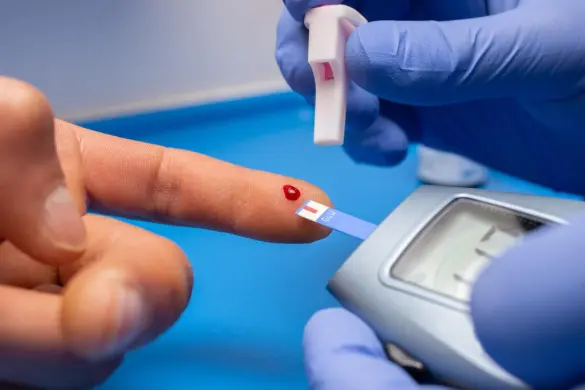
If your doctor suspects diabetes, they may recommend one or more blood tests. These tests are simple, reliable, and widely available.
Fasting Blood Sugar (FBS)
Measures blood sugar after fasting for at least eight hours.
Postprandial Blood Sugar (PPBS)
Measures blood sugar approximately two hours after eating.
HbA1c Test
Shows your average blood sugar level over the previous two to three months, and is commonly used for diagnosing and monitoring diabetes.
Random Blood Sugar Test
Can be performed at any time of the day, particularly if symptoms are present.
Oral Glucose Tolerance Test (OGTT)
In some situations, such as pregnancy or suspected prediabetes, your doctor may recommend this test to assess how your body processes glucose.
Early diagnosis allows treatment and lifestyle changes to begin before complications develop.
Can Diabetes Be Prevented?
Although Type 1 diabetes cannot currently be prevented, many cases of Type 2 diabetes can be delayed or prevented by adopting healthy habits.
Here are some practical steps you can take:
• Eat a balanced diet that includes vegetables, fruits, whole grains, legumes, and lean sources of protein
• Reduce your intake of sugary drinks, sweets, and highly processed foods
• Aim for at least 150 minutes of moderate physical activity each week
• Maintain a healthy weight
• Get 7–9 hours of quality sleep each night
• Manage stress through techniques such as yoga, meditation, or deep breathing
• Avoid smoking and limit alcohol intake
• Schedule regular health check-ups, especially if diabetes runs in your family
Healthy habits don’t just reduce the risk of diabetes — they also support heart health, improve energy levels, and contribute to overall well-being.
Everyday Habits That Support Healthy Blood Sugar
Managing your health doesn’t always require dramatic lifestyle changes. Often, small and consistent improvements make the biggest difference over time.
Try incorporating these simple habits into your daily routine:
• Start your day with a balanced breakfast instead of skipping meals
• Drink enough water throughout the day
• Include fiber-rich foods in every meal
• Avoid sitting continuously for long periods
• Take a short walk after meals whenever possible
• Read food labels before buying packaged foods
• Keep track of your routine health check-ups
• Follow your doctor’s advice if you’ve already been diagnosed with prediabetes or diabetes
Developing these habits gradually is often more sustainable than trying to change everything at once.
Can Ayurveda Support Diabetes Management?
Many people diagnosed with diabetes look for ways to improve their overall health in addition to following their doctor’s treatment plan. Ayurveda is one approach that some people choose to support healthy lifestyle habits and overall well-being.
Ayurveda places importance on balanced nutrition, daily routine, physical activity, stress management, and individualized care. Rather than focusing on a single symptom, it considers a person’s overall health and lifestyle.
An Ayurvedic practitioner may recommend:
• Personalized dietary guidance
• Lifestyle modifications
• Yoga and breathing exercises
• Stress management techniques
• Herbal preparations, when appropriate and under professional supervision
It’s important to understand that Ayurveda should complement — not replace — medical care for diabetes. If you have been diagnosed with diabetes or are taking medication, never stop or change your treatment without consulting your healthcare provider.
| Looking for Ayurvedic wellness guidance in Aligarh?Book a consultation with Vaidya Ji Aligarh → |
When Should You Consult a Doctor?
Occasionally feeling tired or thirsty doesn’t automatically mean you have diabetes. However, you shouldn’t ignore symptoms that are persistent or occur together.
Seek medical advice if you notice:
• Frequent urination for several days or weeks
• Constant thirst despite drinking enough water
• Unexplained weight loss
• Persistent fatigue
• Blurred vision
• Slow-healing cuts or wounds
• Tingling or numbness in your hands or feet
• Frequent skin, urinary, or fungal infections
• A family history of diabetes along with any of these symptoms
A simple blood sugar test can often provide valuable information and help identify problems early.
Conclusion
The body often gives subtle signals before diabetes becomes a serious health concern. Paying attention to those signals can help you take action before complications develop.
Whether it’s constant thirst, frequent urination, unexplained tiredness, blurred vision, or slow-healing wounds, these symptoms deserve attention — especially if more than one occurs at the same time.
Remember, having one symptom doesn’t necessarily mean you have diabetes. However, if symptoms persist, it’s always better to seek professional medical advice than to ignore them or rely on self-diagnosis.
If you’re experiencing persistent symptoms or would like personalized Ayurvedic lifestyle guidance, schedule a consultation with Vaidya Prateek Agrawal at Vaidyaji Aligarh. An individualized assessment can help you understand your health concerns and determine the most appropriate next steps alongside your regular medical care.
Your health is one of your greatest assets. Taking small steps today can help protect it for years to come.
Frequently Asked Questions (FAQs)
1. What are the first signs of diabetes?
The most common early signs include frequent urination, excessive thirst, increased hunger, fatigue, blurred vision, unexplained weight loss, slow wound healing, recurrent infections, tingling in the hands or feet, and dark skin patches.
2. Can diabetes develop without symptoms?
Yes. Many people with Type 2 diabetes have few or no noticeable symptoms in the early stages. Regular screening is recommended for people with risk factors.
3. Which blood test is best for diagnosing diabetes?
Doctors commonly use tests such as HbA1c, Fasting Blood Sugar (FBS), Postprandial Blood Sugar (PPBS), and sometimes an Oral Glucose Tolerance Test (OGTT). The most appropriate test depends on your individual situation.
4. Is frequent urination always caused by diabetes?
No. Frequent urination can also result from urinary tract infections, pregnancy, certain medications, or increased fluid intake. If it occurs with other symptoms of diabetes, consult a healthcare professional.
5. Can young people get Type 2 diabetes?
Yes. Type 2 diabetes is becoming more common in younger adults due to factors such as obesity, physical inactivity, and family history.
6. Is diabetes hereditary?
Family history increases your risk, particularly for Type 2 diabetes. However, healthy lifestyle choices also have a significant influence on whether diabetes develops.
7. Can stress affect blood sugar levels?
Yes. Long-term stress can influence hormones that affect blood sugar regulation. Managing stress is an important part of maintaining overall health.
8. Is itching a symptom of diabetes?
It can be. Dry skin, poor circulation, or fungal infections associated with diabetes may cause itching in some people.
9. Can diabetes be prevented?
While Type 1 diabetes cannot currently be prevented, many cases of Type 2 diabetes can be delayed or prevented through healthy eating, regular physical activity, maintaining a healthy weight, and routine health check-ups.
Vaidya Prateek Agrawal (B.A.M.S.)
Vaidya Prateek Agrawal is an experienced Ayurvedic physician practicing at Vaidyaji Aligarh. He specializes in lifestyle disorders, digestive health, diabetes management through Ayurveda, Panchakarma, and preventive healthcare. His approach combines classical Ayurvedic principles with personalized lifestyle guidance based on each patient’s Prakriti (body constitution).
| About the Author Vaidya Prateek Agrawal. This article was prepared for educational purposes to help readers understand the early signs of diabetes, the importance of early diagnosis, and healthy lifestyle practices that support overall well-being. Content reviewed for accuracy as of June 2026. |
| Medical Disclaimer: This article is intended for informational and educational purposes only. It should not be considered a substitute for professional medical advice, diagnosis, or treatment. If you have symptoms of diabetes or concerns about your blood sugar, consult a qualified healthcare professional. Never ignore medical advice or delay seeking care based on information you have read online. |