

Crohn’s disease is a chronic inflammatory bowel disease (IBD) that affects the digestive tract and can significantly impact daily life. It may cause abdominal pain, diarrhea, fatigue, weight loss, and nutritional deficiencies. In many cases, symptoms come and go in cycles, with periods of flare-ups and remission.
In Ayurveda, digestive disorders are often linked to weakened digestion, toxin accumulation (Ama), dosha imbalance, and stress-related disturbances. Ayurvedic treatment for Crohn’s disease focuses on supporting digestion, reducing inflammation, improving nutrient absorption, and promoting overall gut health naturally.
A personalized Ayurvedic approach may include herbal support, dietary changes, stress management, and lifestyle modifications to help manage symptoms and improve quality of life under professional supervision.
Common Symptoms of Crohn’s Disease
Abdominal Pain and Cramping
Inflammation in the digestive tract may cause recurring abdominal discomfort, bloating, and cramping, especially after meals.
Frequent Diarrhea
Inflamed intestines may struggle to absorb water properly, leading to loose stools and frequent bowel movements.
Unexplained Weight Loss
Poor nutrient absorption and reduced appetite can contribute to gradual weight loss and weakness.
Fatigue and Low Energy
Ongoing inflammation and nutritional deficiencies may leave patients feeling tired and physically exhausted.
Blood in Stool
Ulcers and irritation in the intestinal lining may sometimes result in blood or mucus in the stool.
Crohn’s Disease According to Ayurveda
Ayurveda considers digestive health central to overall wellness. Chronic bowel inflammation may develop when digestion becomes weak and toxins accumulate in the body.
Weak Digestive Fire (Agni)
Irregular eating habits, processed foods, overeating, and stress may weaken Agni, the digestive fire responsible for proper digestion and metabolism.
Accumulation of Ama
Improper digestion may lead to the formation of Ama, a toxic metabolic waste that can accumulate in the digestive tract and disturb normal bodily functions.
Dosha Imbalance
Crohn’s disease symptoms are often associated with aggravated Pitta and Vata dosha. Pitta imbalance may contribute to inflammation and burning sensations, while Vata imbalance may lead to irregular bowel movements and abdominal pain.
Stress and Gut Health
Mental stress and anxiety can affect the gut-brain connection and may trigger digestive discomfort or flare-ups in some individuals.
Ayurvedic Herbs Commonly Used for Digestive Support
Kutaja (Holarrhena antidysenterica)
Kutaja is traditionally used in Ayurveda to support healthy bowel function and help manage loose stools.
Guduchi (Tinospora cordifolia)
Guduchi is valued for its immune-supportive and anti-inflammatory properties. It may help support overall digestive wellness.
Yashtimadhu (Licorice Root)
Yashtimadhu is known for its soothing properties and is commonly used to support the mucosal lining of the digestive tract.
Musta (Cyperus rotundus)
Musta may help improve digestion, reduce bloating, and support balance in the gastrointestinal system.
Shatavari (Asparagus racemosus)
Shatavari is traditionally used for nourishment and may help support recovery and strength in individuals experiencing weakness or nutritional imbalance.
Diet Tips in Ayurveda for Crohn’s Disease
A balanced diet plays an important role in Ayurvedic treatment for Crohn’s disease and digestive wellness.
Eat Light and Easy-to-Digest Foods
Soft, freshly cooked foods such as khichdi, rice, moong dal soup, and boiled vegetables are generally easier to digest.
Stay Hydrated
Drink adequate fluids throughout the day. Room-temperature water and freshly prepared buttermilk may help support digestion in some individuals.
Avoid Highly Spicy and Processed Foods
Excessively spicy, oily, fried, and processed foods may aggravate digestive discomfort and should be limited.
Avoid Trigger Foods
Some individuals may notice worsening symptoms after consuming caffeine, alcohol, packaged snacks, or raw foods. Identifying personal trigger foods may help manage flare-ups.
Eat Smaller Meals
Smaller and more frequent meals may reduce pressure on the digestive system and support better digestion.
Lifestyle Recommendations for Better Gut Health
Manage Stress Regularly
Yoga, meditation, breathing exercises, and proper sleep may help reduce stress-related digestive disturbances.
Maintain a Consistent Routine
Regular meal timings and healthy daily habits may support digestive balance and improve overall wellness.
Avoid Late-Night Eating
Eating heavy meals late at night may affect digestion and increase discomfort in sensitive individuals.
When to Seek Medical Attention
Immediate medical consultation may be necessary if you experience:
- Persistent bleeding in stool
- Severe abdominal pain
- High fever
- Rapid weight loss
- Severe dehydration
- Continuous vomiting
- Extreme weakness or dizziness
Crohn’s disease requires proper medical evaluation and long-term monitoring.
Ayurvedic Treatment for Crohn’s Disease in Aligarh
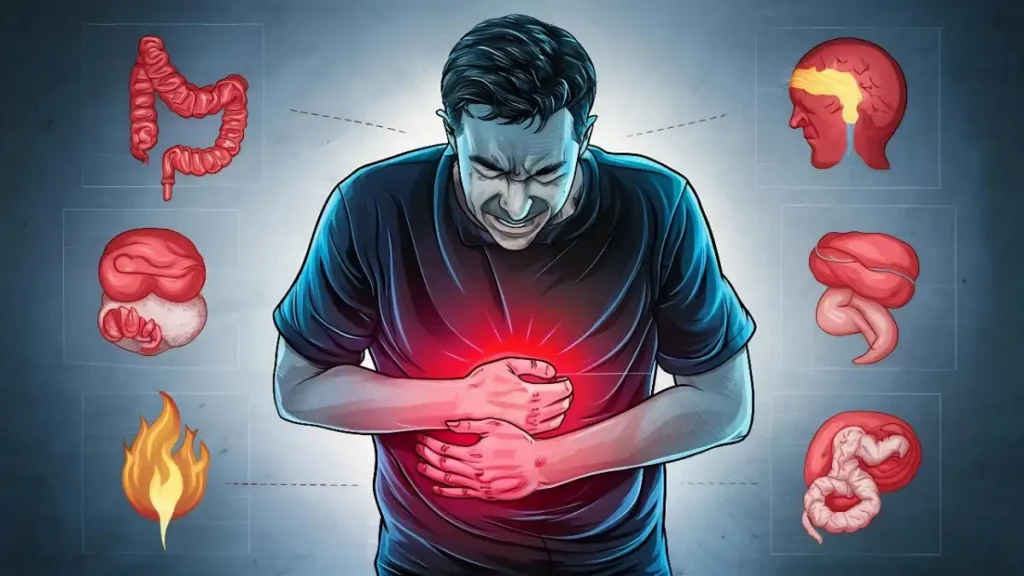
People experiencing chronic digestive issues often look for holistic approaches that support long-term gut health and lifestyle balance. At Vaidya Ji Aligarh, individualized Ayurvedic care focuses on improving digestion, supporting intestinal health, and helping patients manage symptoms naturally under professional supervision.
Consulting an experienced Ayurvedic practitioner such as Dr. Prateek Agrawal may help patients better understand dietary habits, lifestyle triggers, and personalized wellness approaches for digestive disorders.
You may also explore related digestive health resources on:
- Ulcerative colitis
- IBS management
- Digestive wellness
- Panchakarma therapies
- Gut health support
Conclusion
Crohn’s disease can affect digestion, nutrition, energy levels, and overall quality of life. While it is a chronic condition that requires proper medical care, Ayurveda offers a supportive approach focused on digestion, diet, lifestyle balance, and natural wellness practices.
A personalized Ayurvedic treatment for Crohn’s disease may help support digestive comfort, improve gut health, and promote better day-to-day well-being.
If you are experiencing ongoing digestive discomfort, professional Ayurvedic consultation may help identify suitable dietary, lifestyle, and wellness approaches for your condition.
FAQs
1- What is Crohn’s disease?
Crohn’s disease is a chronic inflammatory bowel disease (IBD) that causes inflammation in the digestive tract. Common symptoms include abdominal pain, diarrhea, fatigue, weight loss, and digestive discomfort.
2- Can Ayurveda help manage Crohn’s disease symptoms?
Ayurveda may help support digestive health through dietary management, herbal formulations, stress reduction, and lifestyle modifications under professional supervision.
3- Which foods are commonly avoided during flare-ups?
Many people avoid spicy foods, processed foods, alcohol, caffeine, and heavy meals during flare-ups, although triggers can vary from person to person.
4- Is stress connected to digestive problems?
Stress may influence the gut-brain connection and can sometimes worsen digestive discomfort or trigger symptom flare-ups.
5- How long does Ayurvedic management usually take?
The duration varies depending on symptom severity, digestion, lifestyle, and individual body constitution. Consistency in diet and treatment is important.
6- Can Ayurvedic treatment for Crohn’s disease help improve gut health naturally?
Ayurvedic treatment for Crohn’s disease may help support digestion, reduce inflammation, and promote better gut health through diet, herbs, and lifestyle management.