
Simple Ayurvedic Lifestyle Tips for Families in Aligarh

Are you struggling with poor digestion, low energy, stress, or disturbed sleep? According to Ayurveda, many lifestyle-related health problems begin with unhealthy daily habits. Following a Daily Routine According to Ayurveda, also known as Dinacharya, can help improve digestion, strengthen immunity, boost energy levels, and support overall well-being.
In today’s busy world, irregular sleeping hours, unhealthy eating habits, stress, and excessive screen time have become part of everyday life. Over time, these habits can contribute to obesity, diabetes, acidity, joint pain, and other lifestyle disorders.
Ayurveda emphasizes that good health is achieved not only through medicines but also through healthy daily habits. Simple lifestyle changes, such as eating on time, exercising regularly, managing stress, and sleeping early, can make a significant difference in overall health and help prevent many lifestyle-related disorders.
In this guide, you’ll learn practical Ayurvedic daily routine (Dinacharya) tips that you can easily follow to live a healthier and more balanced life.
What is Dinacharya in Ayurveda?
Dinacharya is the Ayurvedic daily routine designed to keep the body, mind, and soul in harmony with nature. The word combines two Sanskrit terms: “Dina” (day) and “Acharya” (routine or discipline).
According to Ayurveda, every person has a unique body constitution (Prakriti) based on the balance of the three doshas—Vata, Pitta, and Kapha. Unhealthy habits, stress, poor sleep, and irregular eating can disturb this balance and lead to health problems.
Following a Daily Routine According to Ayurveda, also known as Dinacharya, helps improve digestion, strengthen immunity, boost energy levels, and prevent many lifestyle-related diseases through simple daily habits.
Why Should You Follow an Ayurvedic Daily Routine?
Many lifestyle disorders develop gradually because of unhealthy habits repeated every day. Following an Ayurvedic routine helps the body stay balanced and supports overall wellness.
Some important benefits include:
- Improves digestion and metabolism.
- Strengthens the immune system naturally.
- Supports healthy weight management.
- Helps improve sleep quality.
- Increases energy levels.
- Reduces stress and anxiety.
- Promotes healthy skin and hair.
- Improves concentration and productivity.
- Helps maintain hormonal balance.
- Reduces the risk of lifestyle diseases.
Following a Daily Routine According to Ayurveda helps maintain the natural balance of the body, supports better digestion, improves immunity, and promotes long-term physical and mental well-being.
1- Wake Up Early – The Ayurvedic Way
Ayurveda recommends waking up during Brahma Muhurta, approximately 90 minutes before sunrise. This time of the day is considered calm, peaceful, and ideal for both physical and mental wellness.
Many people in Aligarh begin their mornings by checking mobile phones or drinking tea immediately after waking up. While this has become a common habit, Ayurveda suggests giving your body a gentle start by waking up calmly and allowing yourself a few peaceful moments before beginning the day’s activities.
People who wake up early often experience:
- Better mental clarity.
- Improved digestion.
- More productive mornings.
- Better mood throughout the day.
- Improved sleep at night.
Waking up early is one of the most important principles of a Daily Routine According to Ayurveda and helps align your body with nature’s rhythm.
2- Begin Your Day with Warm Water
One of the simplest Ayurvedic habits is drinking one or two glasses of lukewarm water after waking up.
This practice helps activate the digestive system after several hours of sleep and prepares the body for the day ahead.
Benefits of drinking warm water include:
- Supports healthy digestion.
- Encourages regular bowel movements.
- Keeps the body hydrated.
- Helps maintain metabolism.
- May reduce bloating.
Many people prefer tea or coffee immediately after waking up. However, if you frequently experience acidity or digestive discomfort, switching to warm water first may be a healthier choice.
3- Don’t Ignore Natural Urges
Ayurveda advises against suppressing natural urges such as urination or bowel movements. Healthy elimination helps remove waste products from the body and supports proper digestive function.
If constipation becomes a regular problem, it should not be ignored. Instead of depending on temporary remedies, identifying the root cause through proper Ayurvedic guidance can provide long-term relief.
4- Oral Care According to Ayurveda
Morning oral hygiene is more than simply brushing your teeth.
Ayurveda recommends a complete oral care routine that includes:
- Brushing with herbal toothpaste.
- Cleaning the tongue using a tongue scraper.
- Oil pulling with sesame or coconut oil.
- Gargling with lukewarm water.
These simple habits help maintain oral hygiene, reduce bad breath, and support healthy gums.
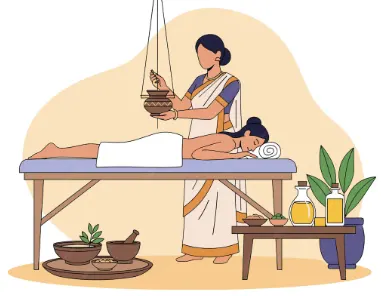
5- Abhyanga – The Ayurvedic Self-Oil Massage
Abhyanga, or self-oil massage, is one of the most beneficial daily practices recommended in Ayurveda. Warm herbal oil is gently massaged over the body before bathing.
Although many people think oil massage is only for babies or elderly individuals, regular Abhyanga can benefit adults of all ages. It helps nourish the skin, improve blood circulation, relax muscles, and calm the nervous system.
Some benefits of regular oil massage include:
- Reduces body stiffness.
- Supports joint flexibility.
- Nourishes dry skin.
- Improves blood circulation.
- Promotes relaxation.
- May improve sleep quality.
Even if you cannot perform a full-body massage daily, applying warm oil to the feet and scalp a few times each week can still be beneficial.
6- Exercise According to Your Body’s Capacity
Physical activity is an essential part of a healthy Ayurvedic lifestyle. However, Ayurveda advises exercising according to your body’s strength instead of overexerting yourself.
Suitable morning activities include:

- Walking
- Yoga
- Surya Namaskar
- Stretching
- Light jogging
- Pranayama
- Meditation
Around 30 to 45 minutes of regular physical activity every day can improve blood circulation, strengthen muscles, support heart health, and keep the mind refreshed.
Regular exercise is an essential part of a Daily Routine According to Ayurveda and supports a healthy body and mind.
7- Take a Refreshing Morning Bath
After completing your exercise and self-care routine, taking a bath refreshes both the body and the mind. Ayurveda considers bathing an important part of preparing yourself for the day.
A morning bath helps:
- Improve freshness.
- Boost alertness.
- Support blood circulation.
- Cleanse the skin.
- Reduce fatigue.
Generally, lukewarm water is preferred for the body, while normal-temperature water is often recommended for the head, depending on an individual’s health condition.
8- Eat a Healthy and Balanced Breakfast
Breakfast is the first meal of the day, and according to Ayurveda, it should nourish the body without making you feel heavy. A healthy breakfast provides energy, supports digestion, and helps maintain concentration throughout the day.
Many people skip breakfast because of busy schedules or rely on packaged foods. Over time, this habit may affect metabolism and digestive health.
A healthy Ayurvedic breakfast may include:
- Fresh seasonal fruits
- Poha with vegetables
- Dalia (broken wheat porridge)
- Moong dal chilla
- Idli or upma
- Soaked almonds or walnuts
- Fresh homemade curd (when suitable)
Eating slowly and without distractions allows the digestive system to function better. Avoid scrolling through your phone or watching television while eating.
9- Make Lunch the Main Meal of the Day
Ayurveda considers lunch the most important meal because the digestive fire (Agni) is strongest around noon. This is the ideal time to eat a wholesome and balanced meal.
A healthy lunch should include:
- Freshly prepared vegetables
- Dal or other pulses
- Whole wheat chapati or rice
- Seasonal salad
- Homemade ghee in moderation
- Buttermilk (if suitable for your body type)
Many office workers and students in Aligarh often depend on fast food or packaged meals due to busy schedules. While eating outside occasionally is fine, homemade food remains the healthier choice for maintaining digestion and overall wellness.
10- Stay Hydrated the Ayurvedic Way
Water is essential for every function of the body, but Ayurveda recommends drinking it mindfully rather than excessively.
Healthy hydration habits include:
- Drink water slowly instead of gulping it.
- Prefer normal or lukewarm water.
- Drink according to your thirst.
- Avoid excessive chilled water.
- Avoid drinking too much water immediately before or after meals.
These small habits can support digestion and improve nutrient absorption.
11- Take Care of Your Mental Well-being
Good health is incomplete without mental peace. Modern lifestyles often bring stress due to work pressure, family responsibilities, and constant exposure to digital devices.
Ayurveda encourages simple practices that help calm the mind and improve emotional well-being. Spending a few quiet minutes every day can make a meaningful difference.
Helpful practices include:
- Meditation
- Deep breathing exercises
- Pranayama
- Reading positive books
- Spending time in nature
- Limiting unnecessary screen time
- Spending quality time with family
Stress can contribute to problems such as acidity, poor sleep, headaches, and digestive discomfort. Along with appropriate Ayurvedic care, healthy lifestyle habits and stress management techniques can support overall well-being.
12- Eat a Light Dinner
Dinner should always be lighter than lunch and ideally be eaten two to three hours before bedtime. This gives the digestive system enough time to process food before you sleep.
Eating a light dinner is another important habit in a Daily Routine According to Ayurveda, as it supports healthy digestion and restful sleep.
Healthy dinner options include:
- Moong dal khichdi
- Vegetable soup
- Chapati with seasonal vegetables
- Light dal with rice
- Steamed vegetables
Try to avoid:
- Heavy fried foods
- Excess sweets
- Late-night snacking
- Carbonated soft drinks
- Very spicy meals before bedtime
A simple dinner often supports better digestion and more restful sleep.
Sleep Early and Sleep Well
Ayurveda recommends sleeping before 10 PM whenever possible. Proper sleep allows the body to repair itself and prepare for the next day.
Benefits of good sleep include:

- Stronger immunity
- Better digestion
- Improved memory and concentration
- Healthy hormonal balance
- Better mood
- Increased energy
Try to avoid mobile phones and laptops for at least 30–60 minutes before sleeping. Instead, spend a few minutes reading, practicing gratitude, or simply relaxing your mind.
Common Lifestyle Mistakes to Avoid
Many health problems are linked to everyday habits that people often ignore.
Some common mistakes include:
- Sleeping late every night
- Skipping breakfast regularly
- Eating meals at irregular times
- Drinking very little water
- Depending on junk food frequently
- Sitting continuously for long hours
- Lack of physical activity
- Excessive screen time before bed
- Overeating at dinner
- Ignoring stress and mental health
Correcting these habits gradually can improve overall health without making drastic lifestyle changes.
An Ayurvedic Daily Routine for Families in Aligarh
The climate and lifestyle in Aligarh can affect your health throughout the year. Hot summers may cause dehydration and fatigue, while winters often bring joint pain, cough, cold, and digestive issues. Following an Ayurvedic daily routine that suits your body and the local climate can help maintain better health.
If you have a chronic health condition or need personalized lifestyle guidance, consult a qualified Ayurvedic physician for recommendations based on your Prakriti (body constitution) and overall health.
Conclusion
A healthy life is built through small daily habits rather than occasional efforts. Waking up early, eating fresh food on time, staying physically active, managing stress, and sleeping well may seem simple, but together they create the foundation of lasting health.
The greatest strength of Ayurveda is that it teaches prevention along with treatment. Instead of waiting for illness to develop, it encourages us to care for our body every single day.
If you’re experiencing digestive problems, poor sleep, stress, diabetes, obesity, thyroid disorders, or joint pain, consult the experienced Ayurvedic doctor. A personalized Ayurvedic lifestyle plan based on your Prakriti can help improve long-term health naturally.
Frequently Asked Questions (FAQs)
1. What is Dinacharya in Ayurveda?
Dinacharya is the Ayurvedic daily routine that promotes physical, mental, and emotional well-being through healthy lifestyle practices.
2. What is the best time to wake up according to Ayurveda?
Ayurveda recommends waking up during Brahma Muhurta, about 90 minutes before sunrise.
3. Why should I drink warm water in the morning?
Warm water supports digestion, improves bowel movement, and helps hydrate the body after sleep.
4. Is yoga necessary in an Ayurvedic routine?
Yes. Yoga, pranayama, and meditation improve flexibility, digestion, mental health, and overall wellness.
5. What is the ideal Ayurvedic breakfast?
Fresh homemade foods such as poha, dalia, fruits, idli, or moong dal chilla are considered healthy breakfast choices.
6. Why should dinner be light?
A light dinner is easier to digest and supports better sleep and metabolism.
7. Can Ayurveda help manage stress?
Yes. Meditation, yoga, breathing exercises, and a disciplined lifestyle can naturally help reduce stress.
8. Is this routine suitable for people with diabetes?
Yes, but it should be personalized according to the individual’s body constitution and medical condition.
9. Can children and senior citizens follow Dinacharya?
Yes. The routine can be adjusted according to age, health condition, and daily activities.
10. Where can I get personalized Ayurvedic lifestyle guidance in Aligarh?
If you are looking for expert Ayurvedic consultation and lifestyle guidance and consult experienced Ayurvedic doctors for a personalized wellness plan.
About the Author
Vd. Prateek Agrawal (BAMS) is an experienced Ayurvedic physician at VaidyaJiAligarh. He specializes in digestive disorders, diabetes, joint pain, lifestyle diseases, and preventive Ayurvedic healthcare. Through personalized treatment and lifestyle guidance, he helps patients achieve long-term wellness naturally.