
Hair Fall Causes in Women are often linked to hormonal changes, nutritional deficiencies, stress, and lifestyle habits. Hair is closely associated with confidence and personality, which is why excessive hair fall can be emotionally upsetting for many women.
According to dermatology experts, losing 50–100 hairs daily is considered normal. However, when hair shedding increases noticeably or your scalp becomes visible, it may indicate an underlying health condition that requires medical attention.
At Vaidyaji Aligarh, many women from Aligarh and nearby areas visit the clinic with concerns about hair thinning, weak hair roots, and slow hair growth. Understanding the Hair Fall Causes in Women is the first step toward choosing the right treatment and preventing further hair thinning.
Why Are More Women Experiencing Hair Fall Today?
Compared to a decade ago, hair fall has become much more common among women of all age groups. Busy schedules, irregular eating habits, lack of sleep, stress, hormonal changes, and environmental pollution all contribute to weaker hair.
Many women spend money on expensive shampoos, serums, and oils expecting instant results. However, healthy hair begins from within. Unless the underlying cause is treated, changing hair products alone may not solve the problem.
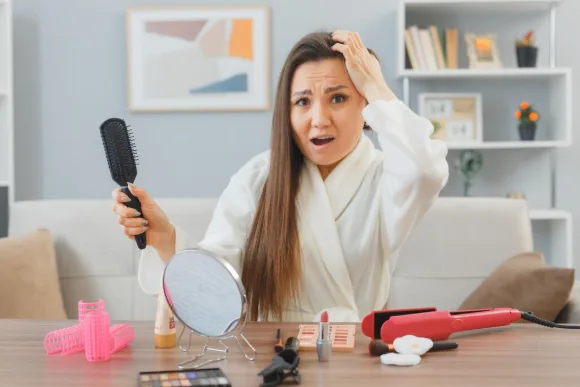
Common Symptoms of Hair Fall
- Excessive hair on pillow
- Hair coming out while combing
- Widening hair partition
- Visible scalp
- Reduced hair volume
- Weak hair roots
Common Hair Fall Causes in Women
The Hair Fall Causes in Women can vary depending on age, hormonal health, nutrition, stress levels, and underlying medical conditions. Every woman’s body is different, so the reason behind hair fall is not always the same.
1. Hormonal Imbalance
Hormones play a major role in maintaining healthy hair. Even a small hormonal imbalance can affect the normal hair growth cycle.
Some common hormonal conditions include:
- Polycystic Ovary Syndrome (PCOS)
- Thyroid disorders
- Pregnancy and childbirth
- Menopause
- Hormonal medications or birth control pills
Hormonal hair loss usually develops gradually and may first appear as thinning near the crown or widening of the hair partition. Identifying hormonal issues early can help prevent further hair loss.
2. Nutritional Deficiencies
Your hair needs proper nourishment to stay healthy. Poor nutrition weakens the hair roots, making hair more likely to fall.
Important nutrients for healthy hair include:
- Iron
- Protein
- Vitamin D
- Vitamin B12
- Zinc
- Biotin
- Folate
3. Foods That Support Healthy Hair
- Eggs
- Spinach
- Almonds
- Pumpkin Seeds
- Lentils
- Paneer
- Amla
- Milk
Women who skip breakfast, follow crash diets, or suffer from anaemia are at a higher risk of excessive hair fall.
4. Stress and Lack of Sleep
Stress is one of the most overlooked reasons behind hair fall. Whether it’s work pressure, family responsibilities, exams, or emotional stress, the body often responds by pushing more hair into the shedding phase.
Similarly, sleeping late every night affects the body’s natural repair process, which can gradually weaken hair roots.
Stress-related hair loss (Telogen Effluvium) often begins 2–3 months after a stressful event. Managing stress early may help restore the normal hair growth cycle.
At Vaidyaji Aligarh, many young women and working professionals report increased hair fall during stressful periods. Once stress is managed and the body’s overall health improves, hair growth often begins to recover.
Lifestyle Habits That Can Damage Hair
Sometimes, everyday habits are responsible for making hair weaker without us even realizing it.
These habits include:
- Frequent use of hair straighteners and curling irons
- Regular hair colouring or chemical treatments
- Tight ponytails or hairstyles
- Washing hair with very hot water
- Using harsh shampoos unsuitable for your scalp
- Poor water intake
- Excessive consumption of junk and processed foods
Hair Care Mistakes to Avoid
- Washing hair daily
- Tight hairstyles
- Excess shampoo
- Hot blow dryer
- Sleeping with wet hair
Making small lifestyle changes may not give overnight results, but they can significantly improve hair health over time.
Medical Conditions That May Lead to Hair Fall
While there are many Hair Fall Causes in Women, identifying the root cause is essential before starting any treatment.
If hair loss is accompanied by fatigue, unexplained weight changes, irregular menstrual cycles, or persistent weakness, laboratory investigations may be needed to identify the underlying cause.
Some of the common medical causes include:
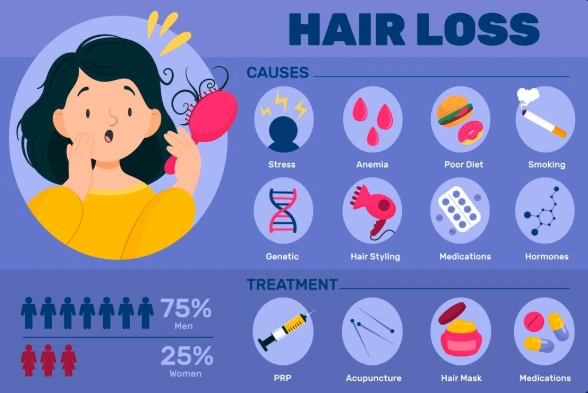
- Thyroid disorders
- Anaemia
- Diabetes
- Autoimmune diseases
- High fever or severe infections
- Rapid weight loss
- Long-term use of certain medicines
If your hair fall continues for more than two to three months despite taking care of your hair, it is advisable to consult an experienced doctor instead of relying only on home remedies.
What Does Ayurveda Say About Hair Fall?
According to Ayurveda, healthy hair reflects good internal health. Hair receives nourishment from well-balanced body tissues, proper digestion, and a healthy lifestyle.
When digestion becomes weak, toxins (known as Ama in Ayurveda) begin to accumulate in the body. This reduces the nourishment reaching the scalp and hair roots. An imbalance in Pitta Dosha is often associated with premature greying and hair fall, while increased Vata Dosha may lead to dry, brittle, and lifeless hair.
Rather than offering a temporary solution, Ayurveda focuses on identifying the root cause of the problem. Treatment may include personalized herbal medicines, dietary modifications, stress management, and lifestyle changes based on the individual’s body constitution.
Ayurvedic Herbs Commonly Used
- Bhringraj
- Amla
- Brahmi
- Neem
- Jatamansi
This holistic approach is one of the reasons many women in Aligarh and nearby districts prefer Ayurvedic care for long-term hair health instead of depending only on cosmetic products.
How to Identify the Possible Cause of Hair Fall
Hair fall can have many different causes, and the symptoms often provide important clues. While only a qualified doctor can diagnose the exact reason, the table below may help you understand some of the common patterns associated with hair loss in women. If your symptoms persist or worsen, consult an experienced healthcare professional for a proper evaluation.
| Symptom | Possible Cause |
| Hair fall with irregular periods and acne | PCOS (Polycystic Ovary Syndrome) |
| Hair fall with fatigue and weakness | Iron deficiency or Anaemia |
| Hair fall with unexplained weight gain and tiredness | Thyroid disorder (Hypothyroidism) |
| Hair fall after pregnancy or childbirth | Postpartum hormonal changes |
| Hair fall 2–3 months after stress, illness, or surgery | Telogen Effluvium |
| Hair fall with excessive dandruff and itchy scalp | Scalp infection or Seborrheic Dermatitis |
| Hair fall with rapid weight loss or crash dieting | Nutritional deficiencies |
| Hair fall with excessive heat styling or chemical treatments | Hair shaft damage and breakage |
| Hair fall with a family history of baldness | Genetic (Hereditary) Hair Loss |
| Hair fall with uncontrolled blood sugar levels | Diabetes-related nutritional and hormonal changes |
When Should You Consult a Doctor?
It is common to lose some hair every day, but if the hair fall becomes excessive or continues for a long time, it should not be ignored. Many women wait until they notice visible thinning or a widening parting before seeking medical advice. Early diagnosis can often prevent further hair loss and improve the chances of healthy hair regrowth.
Seek Medical Advice Immediately If
- Hair fall suddenly increases
- Bald patches appear
- Hair loss after childbirth lasts over six months
- Hair loss with thyroid or PCOS
- Hair loss with unexplained weight loss
You should consult a doctor if:
- Hair fall continues for more than 2–3 months.
- You notice bald patches or thinning in specific areas.
- Your scalp becomes more visible than before.
- Hair fall is accompanied by irregular periods, acne, or sudden weight changes.
- Hair breaks very easily or becomes noticeably thinner.
- Home remedies and hair care products are not providing any improvement.
Instead of trying different oils and shampoos one after another, it is better to identify the actual cause and begin the right treatment.
Natural Tips to Reduce Hair Fall
While treatment depends on the underlying cause, a few healthy habits can help improve overall hair health.
- Eat a balanced diet rich in proteins, green vegetables, fruits, nuts, and seeds.
- Drink enough water throughout the day to stay hydrated.
- Include iron-rich foods if you have low haemoglobin levels.
- Avoid skipping meals or following crash diets.
- Sleep for at least 7–8 hours every night.
- Practice yoga, meditation, or deep breathing to manage stress.
- Massage your scalp gently with suitable herbal oil as advised by your doctor.
- Limit excessive heat styling and chemical treatments.
These simple lifestyle changes may not produce instant results, but they create a healthy foundation for stronger and healthier hair over time.
Ayurvedic Hair Fall Treatment in Aligarh
If you are looking for natural hair fall treatment in Aligarh, choosing the right diagnosis is just as important as the treatment itself. Hair fall can have multiple causes, and treating everyone in the same way rarely gives lasting results.
At VaidyajiAligarh, each patient’s condition is carefully evaluated before suggesting a treatment plan. Factors such as diet, digestion, hormonal health, stress levels, sleep pattern, lifestyle, and overall body constitution are considered to understand the root cause of hair fall.
Ayurvedic treatment may include herbal medicines, dietary guidance, lifestyle modifications, and scalp care recommendations. The aim is not only to reduce hair fall but also to improve the overall health of the scalp and support natural hair growth in a safe and sustainable manner.
Women from Aligarh, Hathras, Khair, Atrauli, Kasganj, and nearby areas regularly visit Vaidyaji Aligarh for personalized Ayurvedic consultation and holistic care.
If you’re experiencing persistent hair fall, consult an experienced Ayurvedic physician to identify the underlying cause and receive a personalized treatment plan. You can also explore our Hair Fall Treatment services or book a consultation with Vd. Prateek Agrawal.
Final Thoughts
Understanding the Hair Fall Causes in Women allows you to take the right preventive measures and seek timely treatment instead of relying only on cosmetic products.
Instead of depending only on cosmetic products, focus on understanding the reason behind your hair fall. With timely diagnosis, a healthy lifestyle, and the right treatment, it is possible to reduce hair fall and support healthy hair growth naturally.
If you are experiencing persistent hair fall, consult an experienced Ayurvedic physician to understand the Hair Fall Causes in Women and receive a personalized treatment plan.
Reviewed by: Vd. Prateek Agrawal (BAMS)
Ayurvedic Physician, VaidyajiAligarh
Frequently Asked Questions (FAQs)
1. What are the most common Hair Fall Causes in Women?
Hormonal imbalance, nutritional deficiencies, stress, thyroid disorders, and PCOS are among the most common causes of hair fall in women.
2. Is losing hair every day normal?
Yes. Losing around 50–100 hairs daily is a normal part of the hair growth cycle. If the amount increases significantly, you should consult a doctor.
3. Can stress cause hair fall?
Yes. Long-term physical or emotional stress can interrupt the normal hair growth cycle and lead to excessive hair shedding.
4. Which vitamin deficiency is linked to hair fall?
Deficiencies of iron, Vitamin D, Vitamin B12, zinc, biotin, and folate are commonly associated with hair loss.
5. Does PCOS cause hair fall in women?
Yes. PCOS can disturb hormone levels, leading to increased hair fall, thinning hair, acne, and irregular menstrual cycles.
6. Can Ayurveda help reduce hair fall?
Ayurveda focuses on identifying the root cause of hair fall and may help through personalized herbal medicines, dietary advice, and lifestyle changes.
7. When should I seek treatment for hair fall?
If hair fall continues for more than two or three months, or if you notice bald patches or visible thinning, it is advisable to consult a qualified doctor.
8. Which foods help maintain healthy hair?
A balanced diet rich in protein, leafy vegetables, fruits, nuts, seeds, and iron-rich foods supports healthy hair growth.
9. Does frequent hair colouring increase hair fall?
Repeated chemical treatments and excessive heat styling can weaken the hair shaft, making hair more prone to breakage.
10. Where can I find Ayurvedic hair fall treatment in Aligarh?
For personalized Ayurvedic consultation and natural hair care, you can visit our clinic or explore the services.
This article provides useful insights into the common causes of hair fall in women, including hormonal changes, nutritional deficiencies, stress, and lifestyle habits. Identifying the underlying cause is an important step toward choosing appropriate care for healthier hair. Valeda Skin & Hair Clinic also focuses on holistic hair and scalp care, helping individuals explore personalized options for concerns such as hair fall, thinning, and scalp health. Thank you for sharing this informative guide!
MORE INFO:- https://www.valedadoctor.com/en/hair-diseases/hair-loss-thinning