

Prediabetes symptoms are often subtle and may develop without causing obvious health problems at first. Many people ignore signs such as constant tiredness, increased thirst, frequent urination, or unexplained hunger, assuming they are caused by stress, a busy lifestyle, or aging. However, these seemingly minor changes can be the body’s early warning signs that blood sugar levels are higher than normal. Recognizing early symptoms of prediabetes can help you seek timely medical advice and reduce the risk of developing Type 2 diabetes.
Prediabetes is a condition in which blood glucose levels are elevated but not high enough to be diagnosed as Type 2 diabetes. If left untreated, it can gradually progress to diabetes and increase the risk of serious complications such as heart disease, kidney problems, nerve damage, and vision loss. The encouraging news is that prediabetes can often be prevented or even reversed through early diagnosis, healthy eating, regular physical activity, weight management, and timely medical guidance.
Recognizing the early symptoms of prediabetes gives you the opportunity to take action before permanent damage occurs. In this article, we’ll discuss the 8 most common prediabetes symptoms, who is at risk, how the condition is diagnosed, and how lifestyle changes and Ayurveda can help support overall metabolic health. If you or someone in your family has risk factors such as obesity, a sedentary lifestyle, or a family history of diabetes, this guide will help you understand when it’s time to get your blood sugar checked.
Common Prediabetes Symptoms
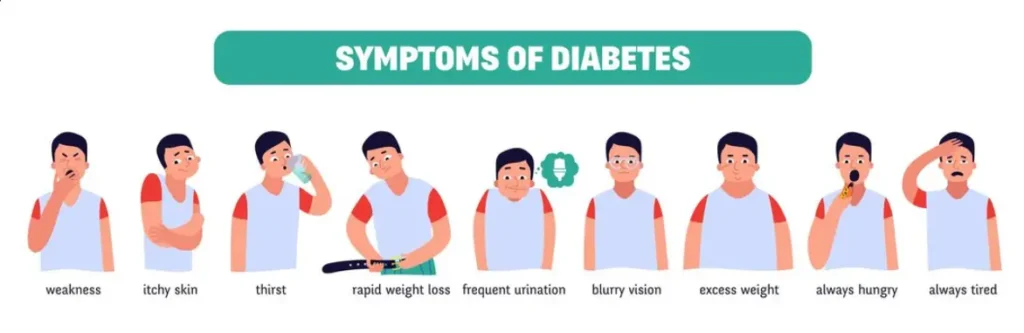
Although many people with prediabetes do not experience noticeable symptoms, the body often gives subtle warning signs that should not be ignored. The most common prediabetes symptoms include:
- Constant tiredness or low energy
- Increased thirst
- Frequent urination, especially at night
- Feeling hungry even after eating
- Blurred vision
- Slow-healing cuts or wounds
- Dark patches on the neck, underarms, or elbows
- Unexplained weight gain or weight loss
If you notice one or more of these symptoms, especially if you have a family history of diabetes or other risk factors, consult a qualified healthcare professional. A simple blood sugar test can help detect prediabetes early and allow you to take steps to prevent the progression to Type 2 diabetes.
What is Prediabetes?
Prediabetes is a condition in which your blood sugar levels are higher than normal but not high enough to be classified as Type 2 diabetes. It usually develops gradually, and many people experience few or no noticeable symptoms.
People who are overweight, physically inactive, have a family history of diabetes, or suffer from high blood pressure are at greater risk. Regular health check-ups can help detect the condition before it progresses.
Why is Prediabetes Becoming More Common?
Modern lifestyles have significantly increased the risk of prediabetes, especially in urban and semi-urban areas like Aligarh. Common contributing factors include:
- Excessive consumption of sugary drinks and processed foods
- Frequent intake of refined flour (maida)
- Lack of physical activity
- Obesity, especially around the waist
- Poor sleep habits
- Chronic stress
- Family history of diabetes
These factors can reduce the body’s ability to use insulin effectively, leading to elevated blood sugar levels over time.
8 Early Symptoms of Prediabetes
1. Constant Fatigue
Feeling tired throughout the day, even after adequate sleep, is one of the earliest signs of prediabetes. When insulin cannot efficiently move glucose into the body’s cells, your body receives less energy, causing persistent fatigue.
2. Increased Thirst
Excessive thirst without an obvious reason may indicate rising blood sugar levels. As the body tries to eliminate extra glucose through urine, it loses more fluids, leading to dehydration and increased thirst.
3. Frequent Urination
Frequent urination, especially at night, occurs because the kidneys work harder to remove excess sugar from the bloodstream. If this symptom persists, a blood sugar test is recommended.
4. Increased Hunger
If you often feel hungry shortly after eating, it may be because your body’s cells cannot effectively use glucose for energy. This can leave you feeling unsatisfied despite eating enough food.
5. Blurred Vision
High blood sugar can temporarily affect the eye’s lens, making your vision blurry. Although this symptom may improve once blood sugar levels are controlled, it should never be ignored.
6. Slow-Healing Wounds
Cuts, scratches, or bruises that take longer than usual to heal may be linked to high blood sugar, which can affect blood circulation and the body’s natural healing process.
7. Dark Patches on the Skin
Dark, velvety skin around the neck, underarms, or elbows—known medically as Acanthosis Nigricans—is commonly associated with insulin resistance and should be evaluated by a healthcare professional.
8. Unexplained Weight Changes
Unexpected weight gain around the abdomen or unexplained weight loss, especially when accompanied by other symptoms, may indicate blood sugar imbalance.
Who is at Risk?
Your risk of developing prediabetes increases if you:
- Are over 35 years of age
- Are overweight or obese
- Have a family history of diabetes
- Have high blood pressure or cholesterol
- Lead a sedentary lifestyle
- Have PCOS
- Had gestational diabetes during pregnancy
If you have one or more of these risk factors, regular blood sugar screening is important.
How is Prediabetes Diagnosed?
Prediabetes can be detected through simple blood tests, including:
- Fasting Blood Sugar (FBS)
- HbA1c Test
- Oral Glucose Tolerance Test (OGTT)
Early diagnosis allows you to take preventive steps before Type 2 diabetes develops.
Can Prediabetes Be Reversed?
In many cases, yes.
Making consistent lifestyle improvements can help bring blood sugar levels back to a healthy range. Healthy habits include:
- Walking or exercising for at least 30 minutes daily
- Maintaining a healthy weight
- Eating more vegetables, whole grains, and fibre-rich foods
- Reducing sugary drinks and processed foods
- Sleeping 7–8 hours every night
- Managing stress through yoga or meditation
- Getting regular health check-ups
Small, sustainable changes are usually more effective than drastic lifestyle changes.
Ayurvedic Perspective on Prediabetes
According to Ayurveda, conditions related to elevated blood sugar are broadly described under Prameha. Ayurveda focuses on improving overall metabolic health by addressing diet, digestion, daily routine, physical activity, and stress management.
At Vaidyaji Aligarh, each patient receives an individualized assessment based on their health condition, lifestyle, medical history, and Ayurvedic body constitution (Prakriti). Treatment recommendations are personalized rather than following a one-size-fits-all approach.
Note: Ayurvedic medicines should only be taken under the guidance of a qualified Ayurvedic physician. Avoid self-medication.
When Should You Consult a Doctor?
Seek medical advice if you:
- Feel unusually tired for several weeks
- Experience excessive thirst or frequent urination
- Notice dark patches on your skin
- Have unexplained weight changes
- Have a family history of diabetes
- Have previously recorded high blood sugar levels
Early diagnosis can help reduce the risk of developing Type 2 diabetes and its long-term complications.
Conclusion
Prediabetes is an early warning sign that your body needs attention. Ignoring symptoms such as fatigue, excessive thirst, frequent urination, blurred vision, or slow-healing wounds may increase the risk of developing Type 2 diabetes.
The good news is that early diagnosis, healthy eating, regular physical activity, and proper medical guidance can help manage blood sugar levels effectively.
If you are looking for an experienced Ayurvedic doctor for prediabetes management in Aligarh, consult Vd. Prateek Agrawal at Vaidyaji Aligarh. With a personalized approach based on your health condition, lifestyle, and Ayurvedic principles, he provides individualized guidance to help support healthy blood sugar levels and overall well-being.
Frequently Asked Questions (FAQs)
1. What are the earliest symptoms of prediabetes?
The earliest symptoms of prediabetes may include constant fatigue, increased thirst, frequent urination, excessive hunger, blurred vision, slow-healing wounds, and dark patches on the skin. However, many people have no noticeable symptoms, making regular blood sugar testing important.
2. Can prediabetes be reversed naturally?
Yes. Prediabetes can often be reversed through healthy lifestyle changes such as regular exercise, weight management, a balanced diet, stress reduction, and following your doctor’s advice. Early intervention significantly lowers the risk of developing Type 2 diabetes.
3. Which blood test is best for diagnosing prediabetes?
Doctors commonly recommend the HbA1c test, Fasting Blood Sugar (FBS), or Oral Glucose Tolerance Test (OGTT) to diagnose prediabetes. These tests help identify elevated blood sugar levels before diabetes develops.
4. Who is at the highest risk of developing prediabetes?
People over 35 years of age, those who are overweight, physically inactive, have a family history of diabetes, high blood pressure, high cholesterol, PCOS, or a history of gestational diabetes are at a higher risk of developing prediabetes.
5. Which foods should be avoided in prediabetes?
People with prediabetes should limit sugary drinks, sweets, refined flour (maida), processed foods, deep-fried snacks, and packaged foods. Choosing whole grains, fresh vegetables, fruits in moderation, and fibre-rich foods can help maintain healthy blood sugar levels.
6. Can Ayurveda help manage prediabetes?
Ayurveda focuses on improving overall metabolic health through personalized diet plans, lifestyle modifications, stress management, and individualized treatment based on a person’s body constitution (Prakriti). Ayurvedic medicines should always be taken under the supervision of a qualified Ayurvedic physician.
7. How much exercise is recommended for people with prediabetes?
Most health experts recommend at least 150 minutes of moderate physical activity per week, such as brisk walking, cycling, yoga, or swimming. Regular exercise improves insulin sensitivity and helps maintain healthy blood sugar levels.
8. When should I consult a doctor for prediabetes symptoms?
You should consult a doctor if you experience persistent fatigue, increased thirst, frequent urination, blurred vision, slow-healing wounds, unexplained weight changes, or have a family history of diabetes. Early diagnosis and treatment can help prevent Type 2 diabetes and its complications.
About the Author: Vd. Prateek Agrawal (B.A.M.S.) is an Ayurvedic physician at Vaidyaji Aligarh with a focus on holistic healthcare and personalized Ayurvedic treatment. He regularly shares evidence-informed health articles and practical lifestyle guidance to help people improve their overall well-being through Ayurveda.